Bus Tray Solutions
Get premium quality cable management systems directly from the manufacturer.
- ISO 9001 Certified Quality
- Factory Direct Pricing
- Fast Global Delivery
Request A Quote
Fill out the form below to receive our catalog and pricing.

Get premium quality cable management systems directly from the manufacturer.
Fill out the form below to receive our catalog and pricing.
Light-duty cable tray is a project-defined description applied to a route whose selected system, supports, and cable schedule do not require a heavier arrangement. It is not a universal load class, a fixed capacity rating, or a shortcut applicable to…

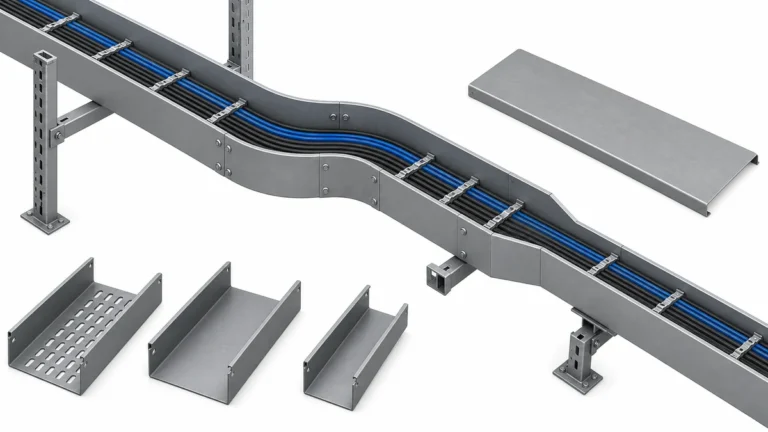
Channel cable tray is a narrow cable-support option used where a route carries a limited group of cables and the project needs an organized, accessible path. It appears frequently on instrument, control, communication, and equipment branch routes, but the product…

Trough cable tray is a formed section with a more continuous cable-bearing surface than an open ladder system. It can be appropriate where a route needs a defined channel for smaller or mixed cables while still allowing practical access from…

Precise terminology matters when drawings, RFQs, submittals, BOMs, and inspection records must describe the same item. A familiar term can still mean a different product family, interface, or contractual responsibility. This glossary gives engineers, procurement teams, and inspectors a shared…

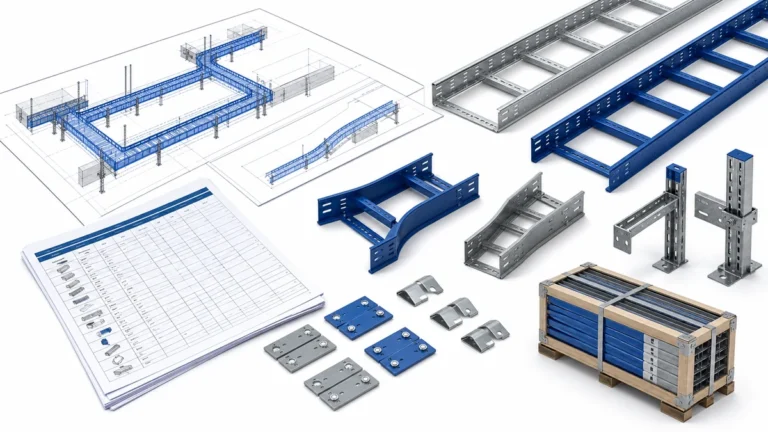
A cable tray bill of materials should describe an installable route, not just a quantity of straight sections. For an EPC or MEP purchase order, it connects approved drawings, the cable schedule, tray sections, fittings, supports, accessories, inspection requirements, and…

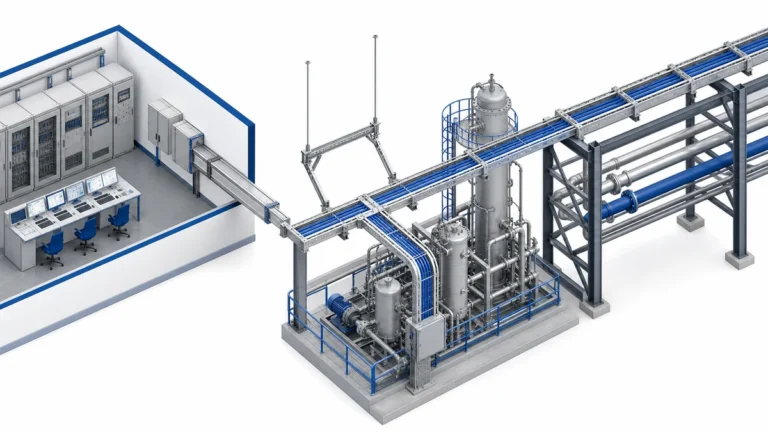
Industrial cable tray planning starts before a purchase order. EPC teams need a route that can be issued for construction, supplied as a complete bill of materials, installed in sequence, and inspected at handover. The usable planning record joins the…

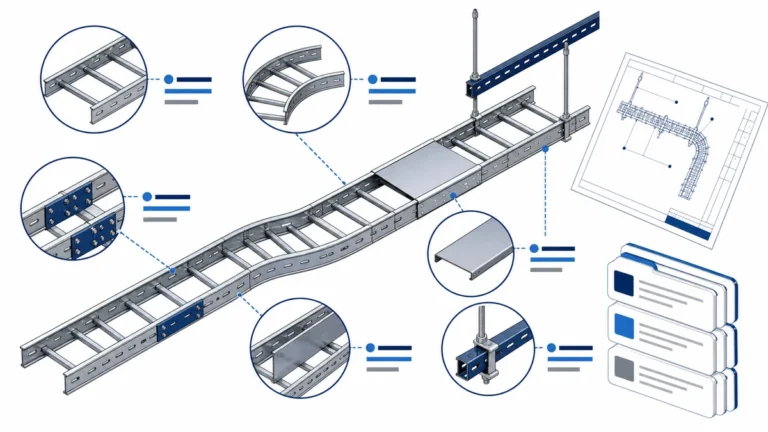
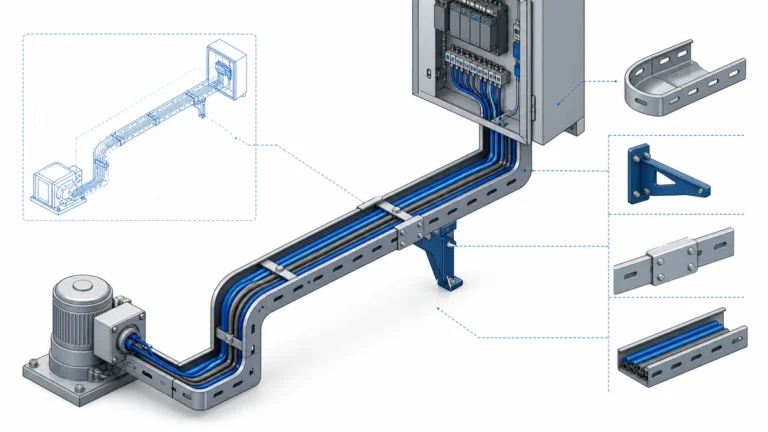
Electrical cable tray components work as one support system. The tray section, side rails, rungs, fittings, splice plates, covers, supports, clamps, and bonding hardware all need compatible dimensions and finishes. A tray order that specifies only width and material often…

Cable tray and conduit solve different routing problems. Cable tray is usually the better main route for long runs with many power, control, or data cables. Conduit is usually the better final route where conductors need an enclosed path, stronger…

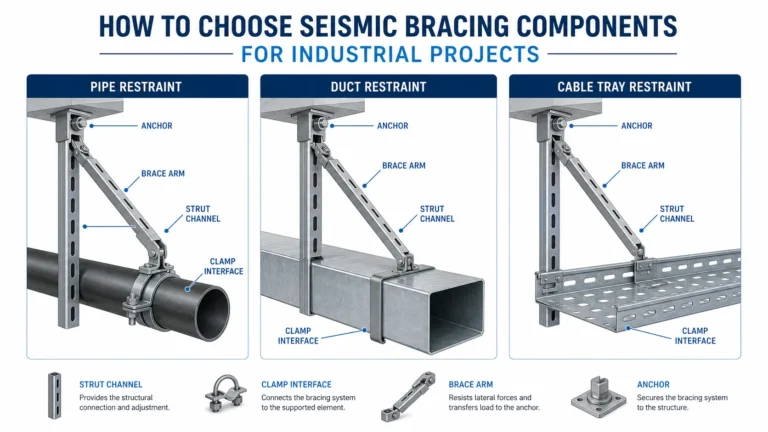
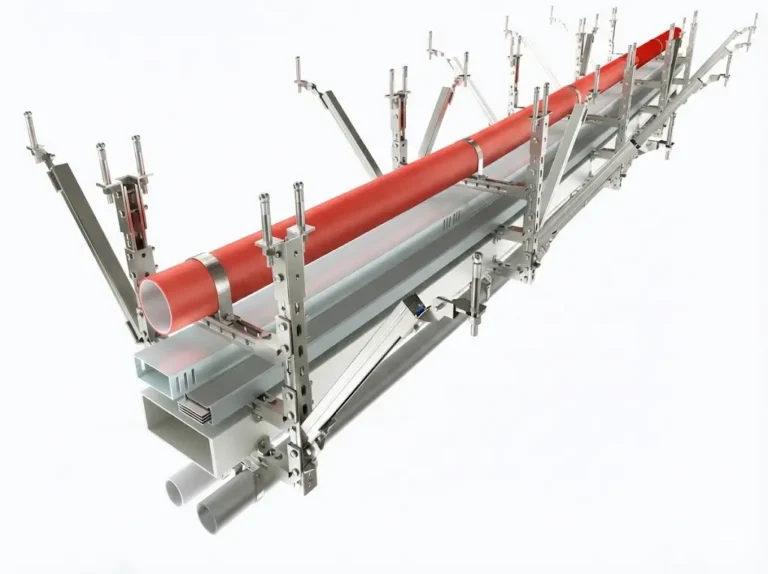
Seismic bracing failures in MEP systems rarely trace back to a single bad part. They trace back to a selection process that treated bracing as a generic hardware add-on rather than a coordinated restraint assembly sized to a specific load…

Learn how to specify, install, and inspect seismic bracing for MEP pipe, duct, and cable tray routes in industrial and commercial projects.