For tray types, materials, finishes, and system selection basics, please see our
Cable Tray Systems pillar page.
For code compliance references, you can also review
NFPA 70 (NEC).
What is a cable tray fitting?
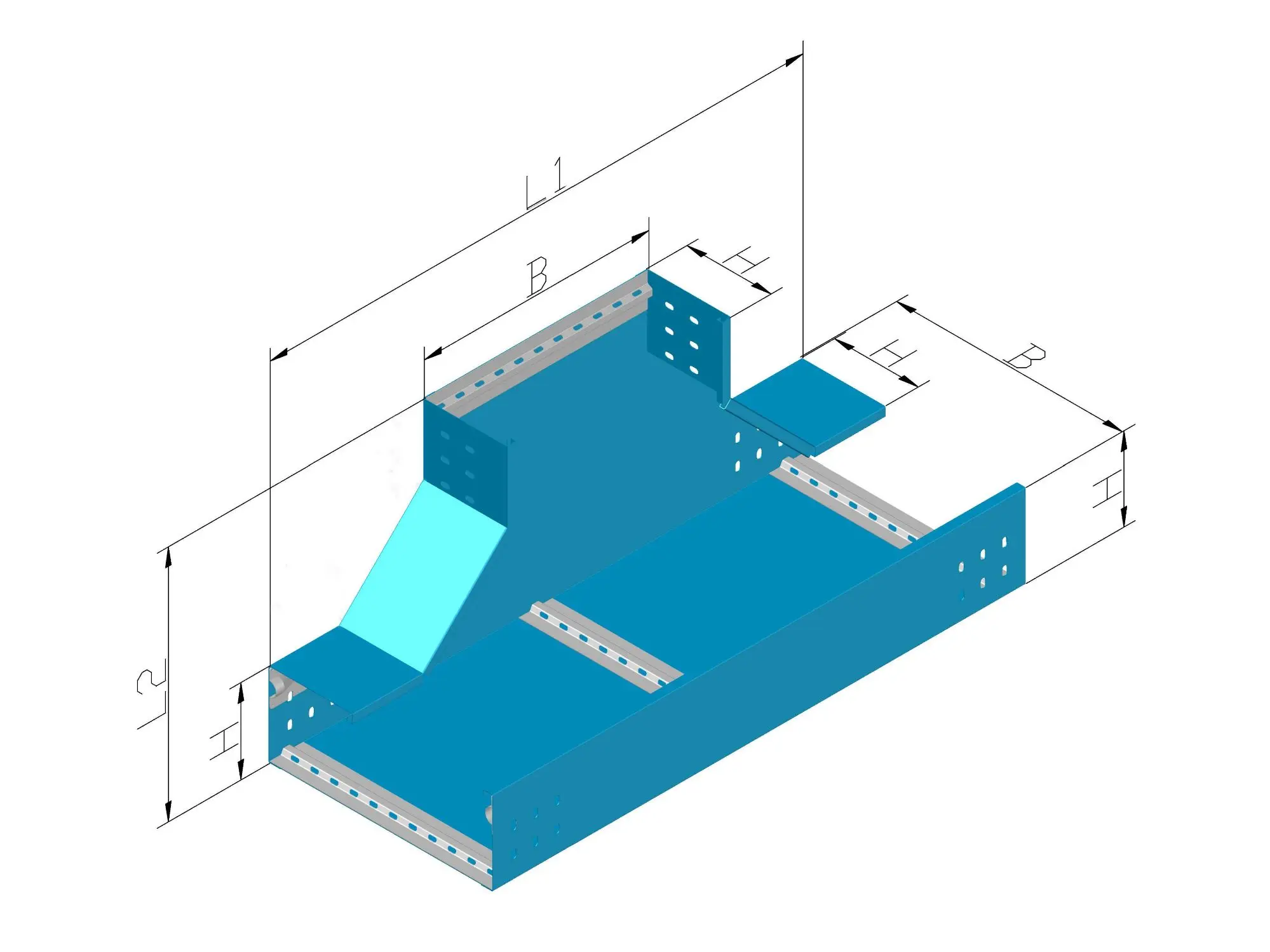
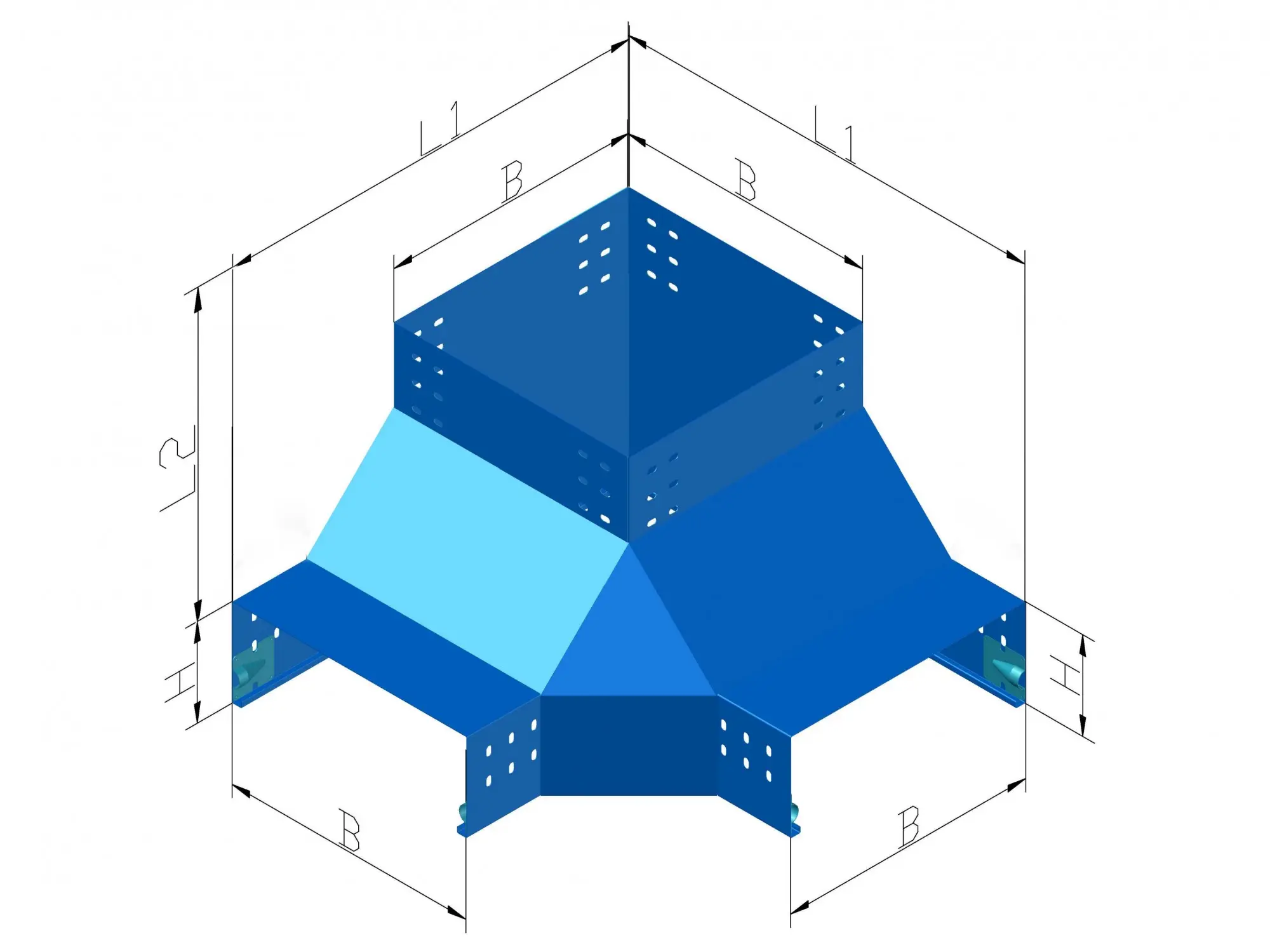
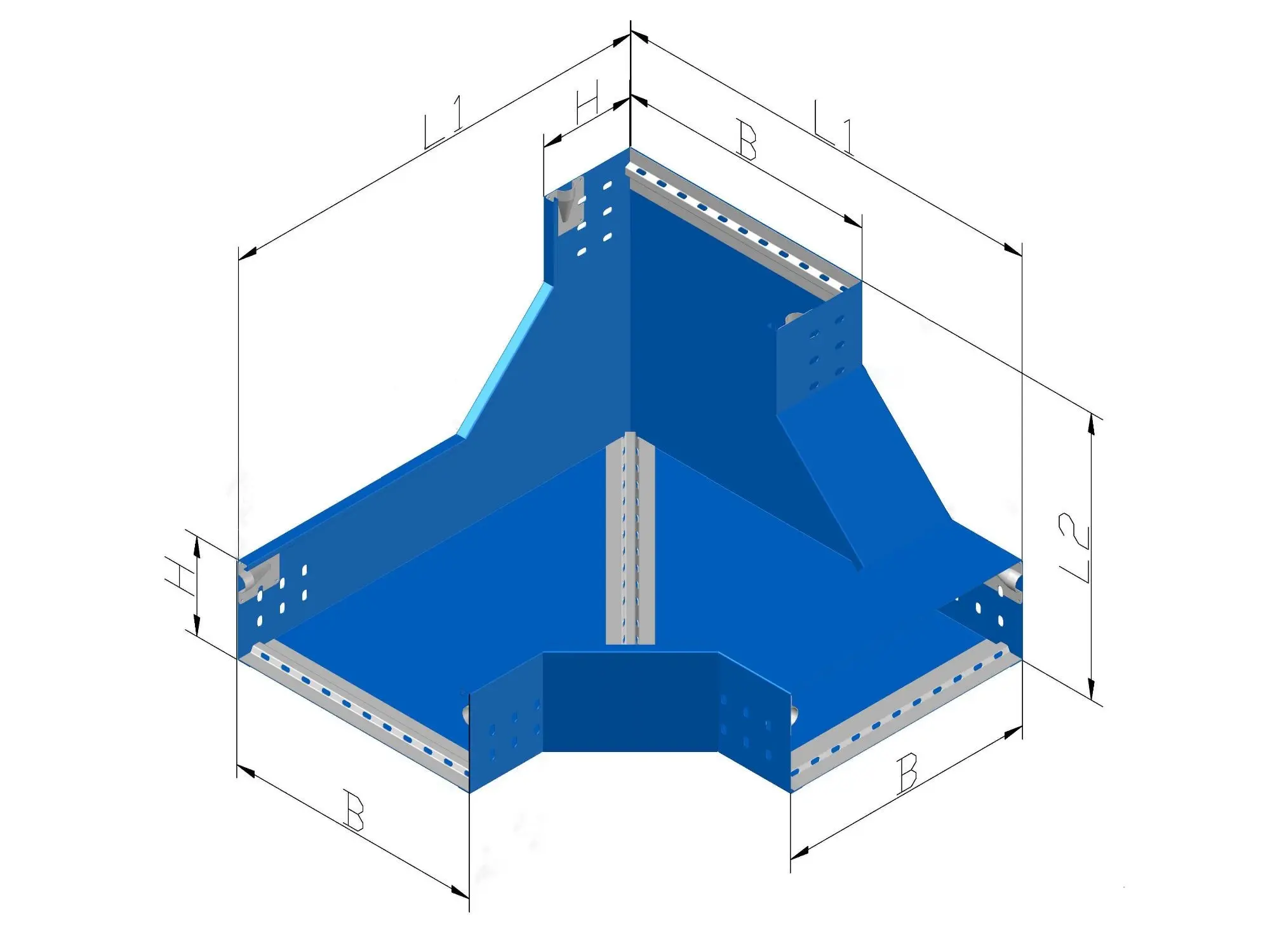
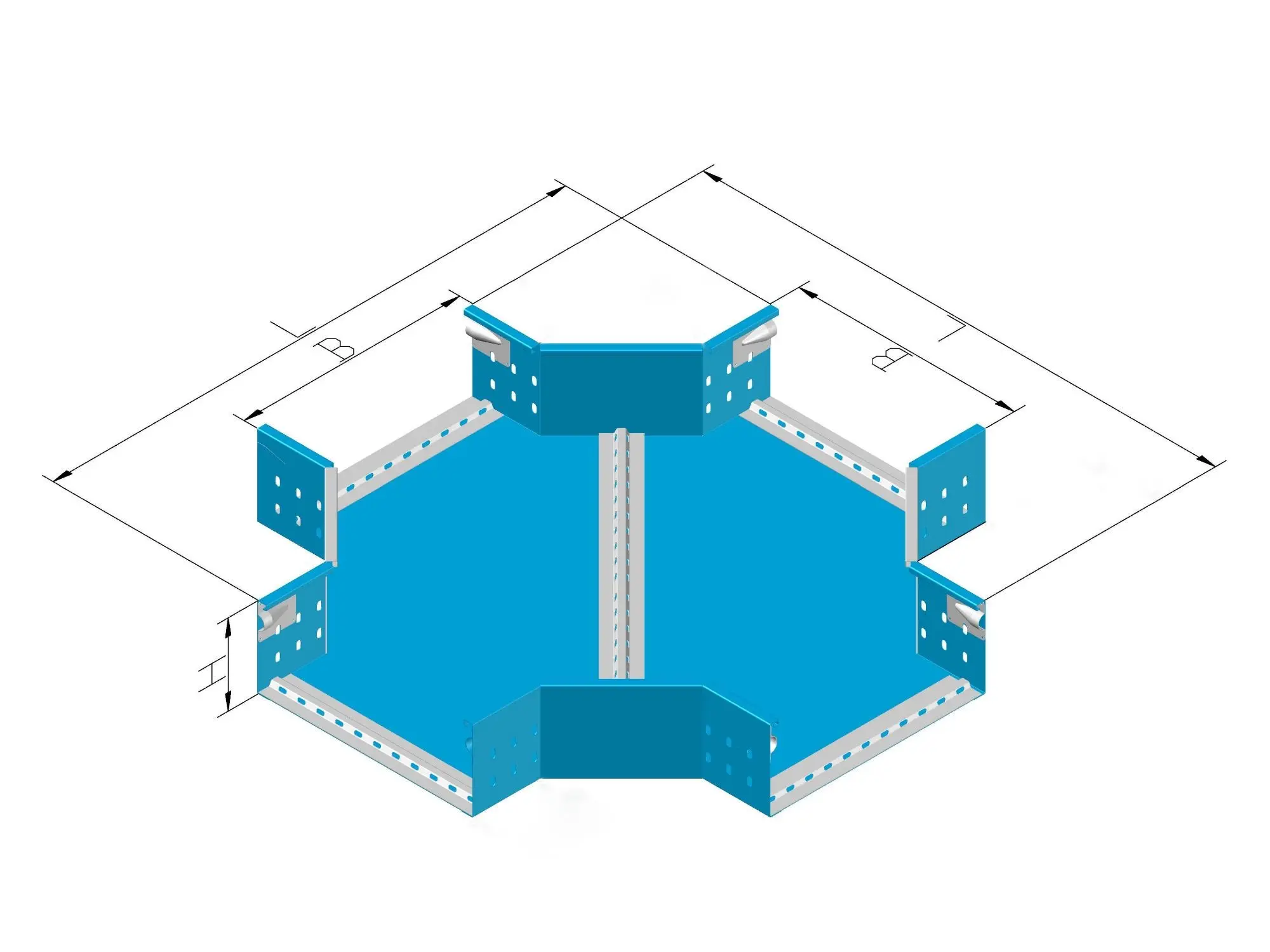
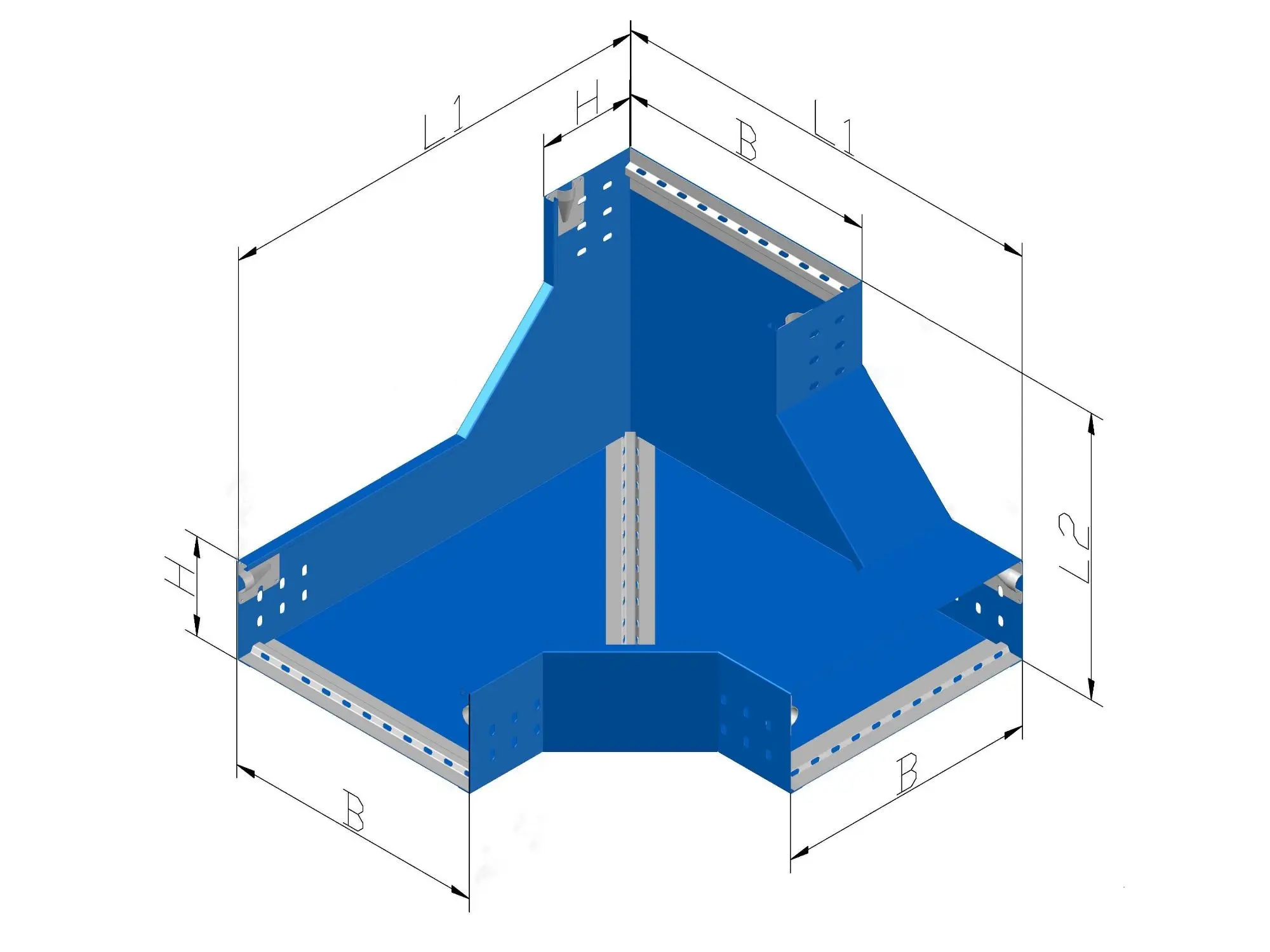
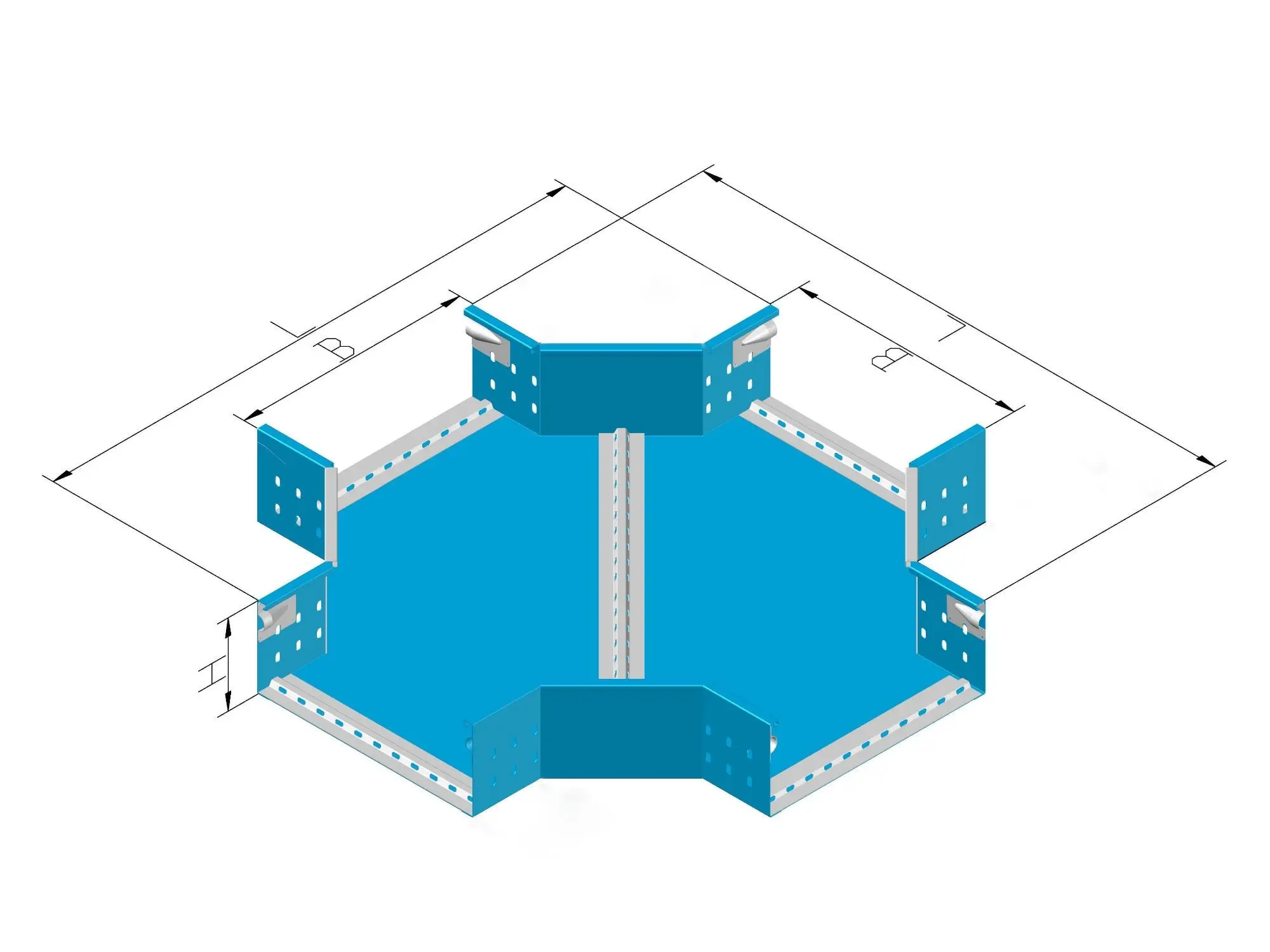
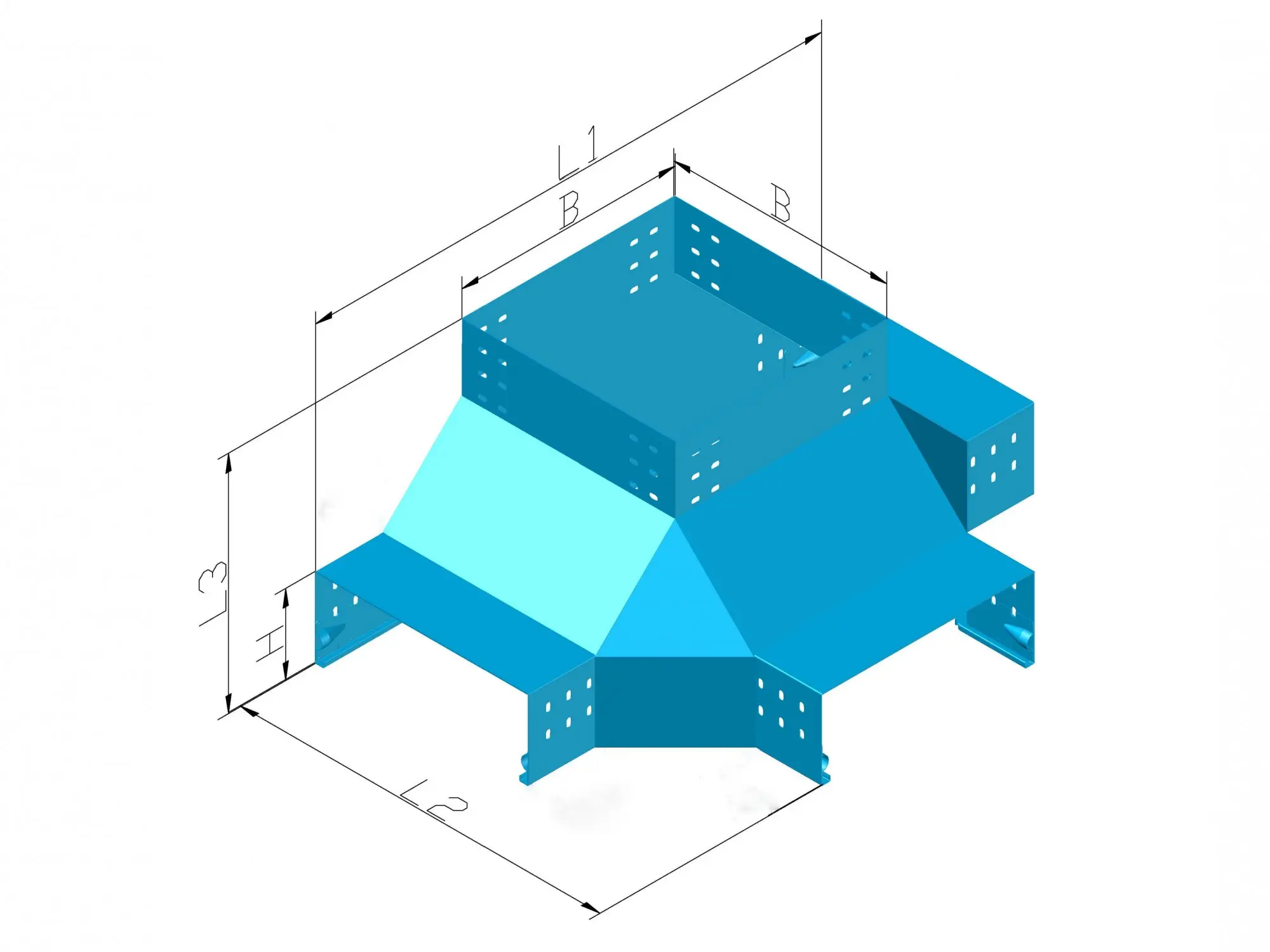
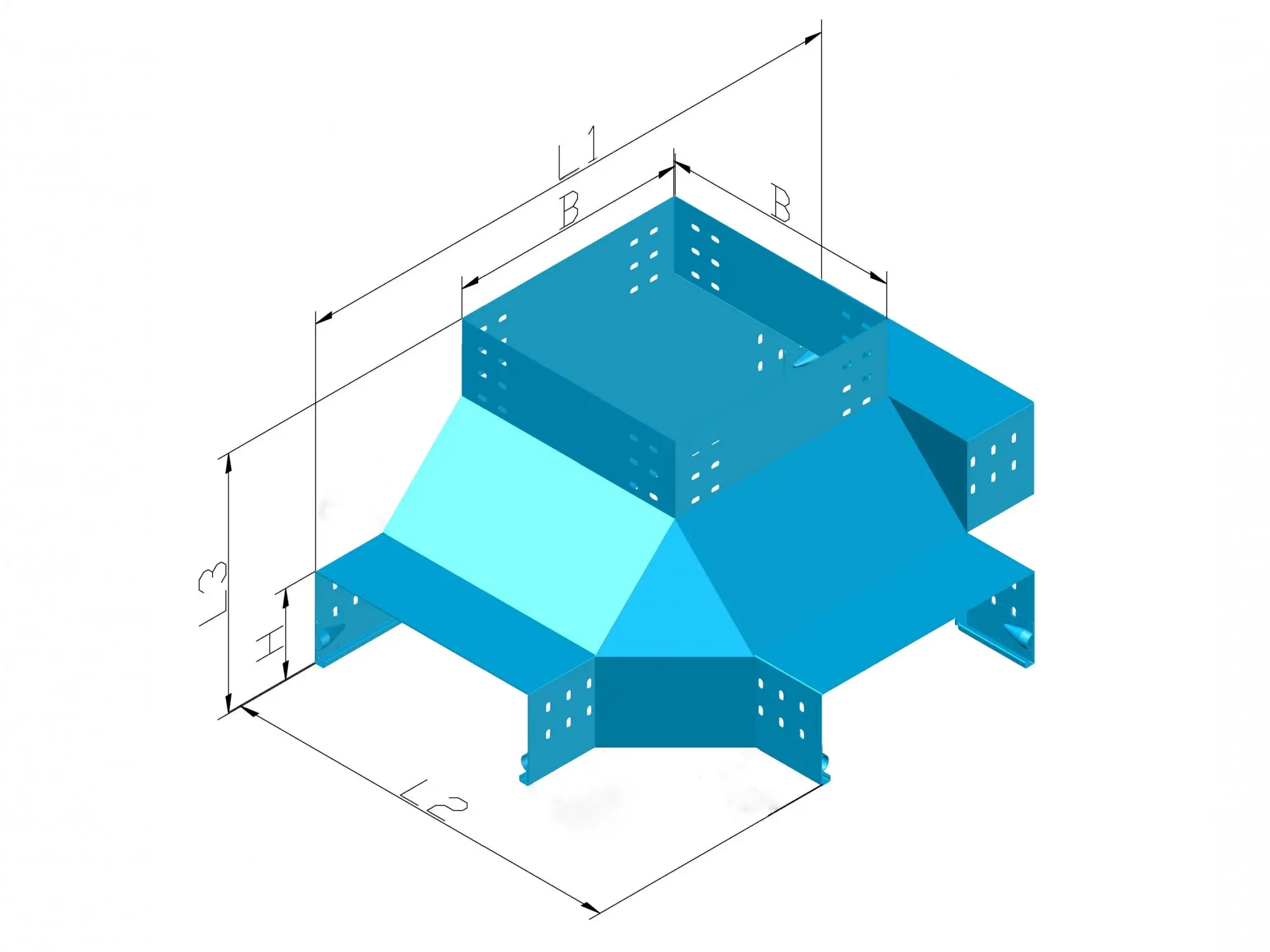
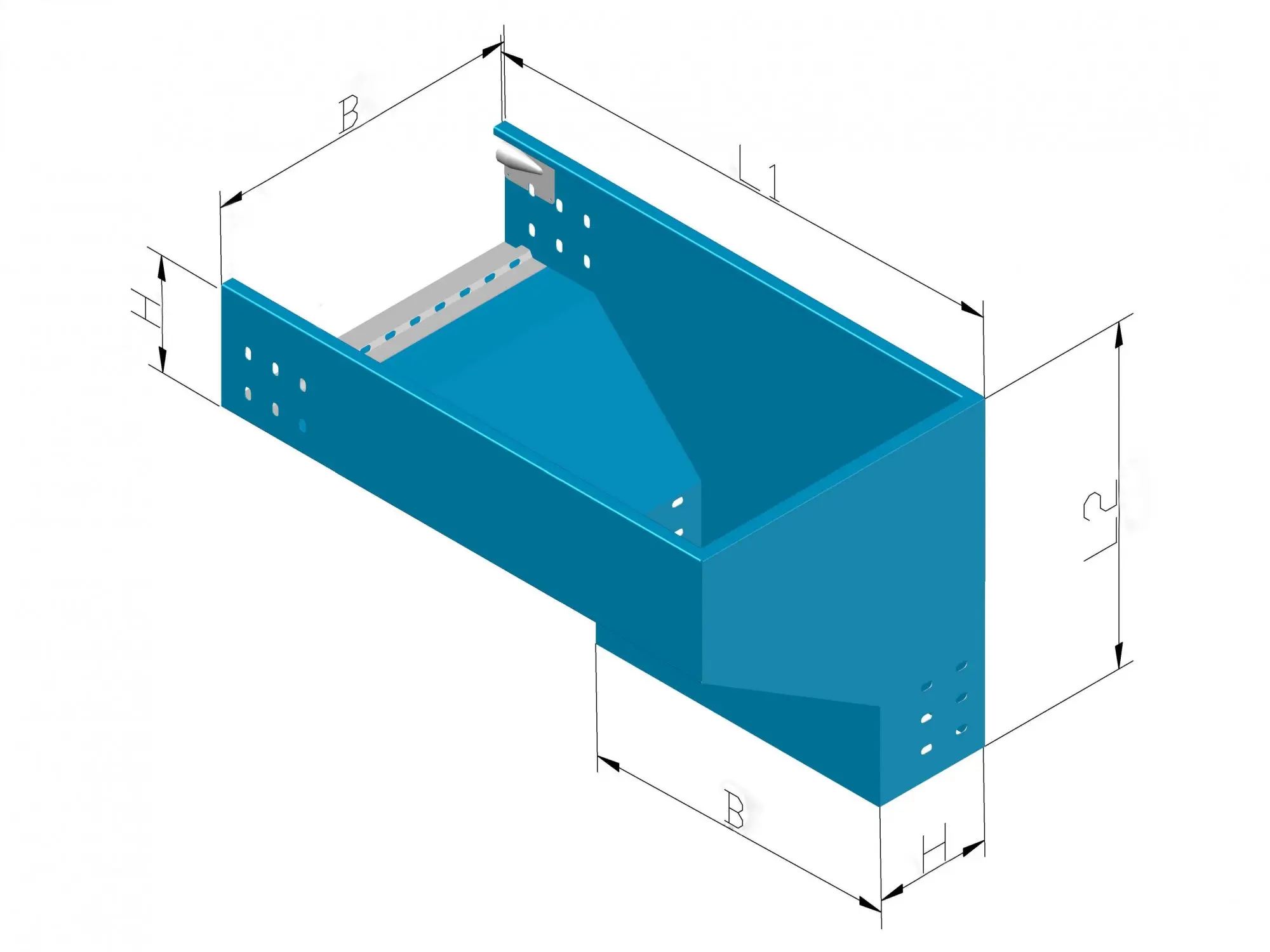
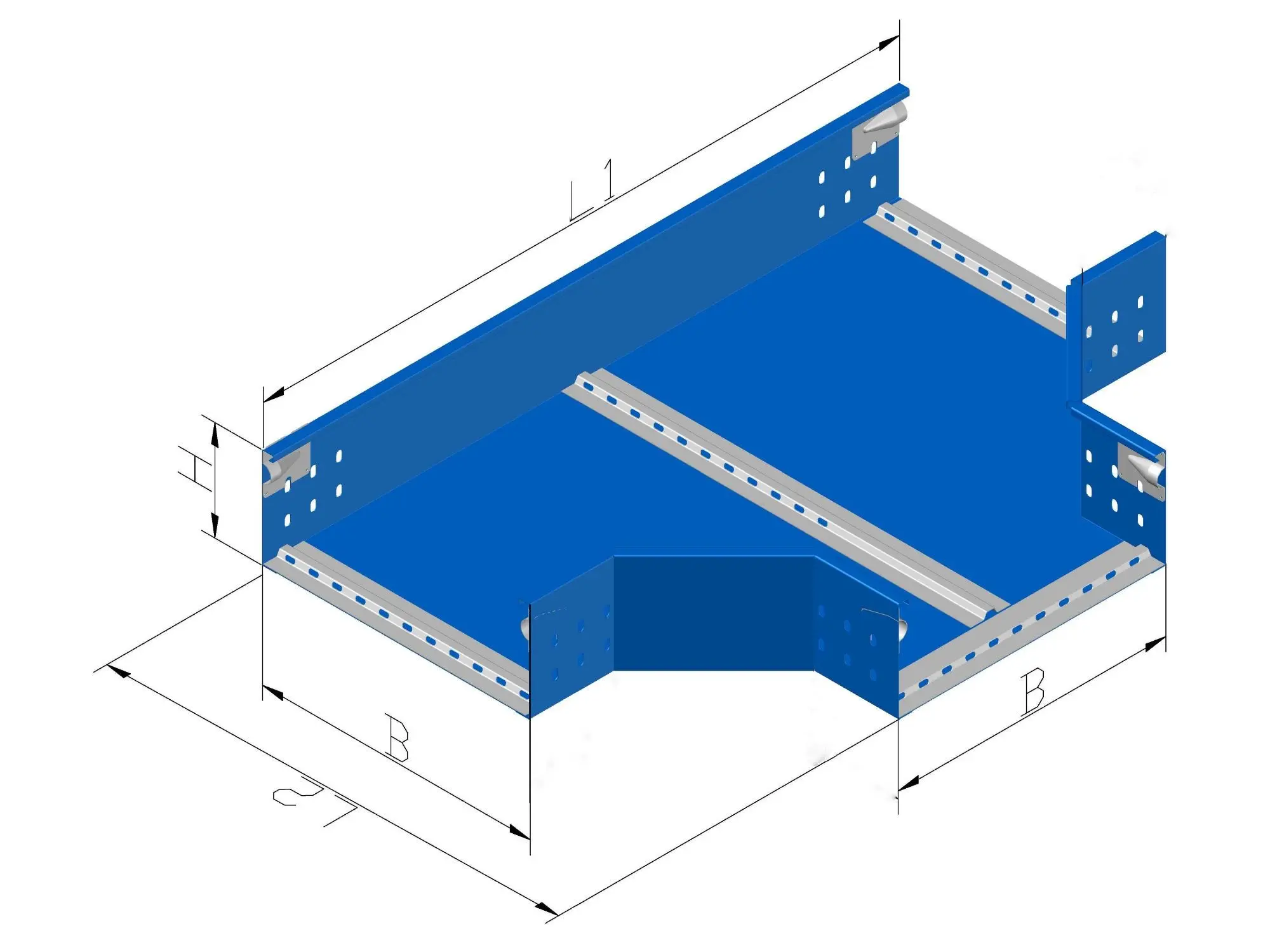
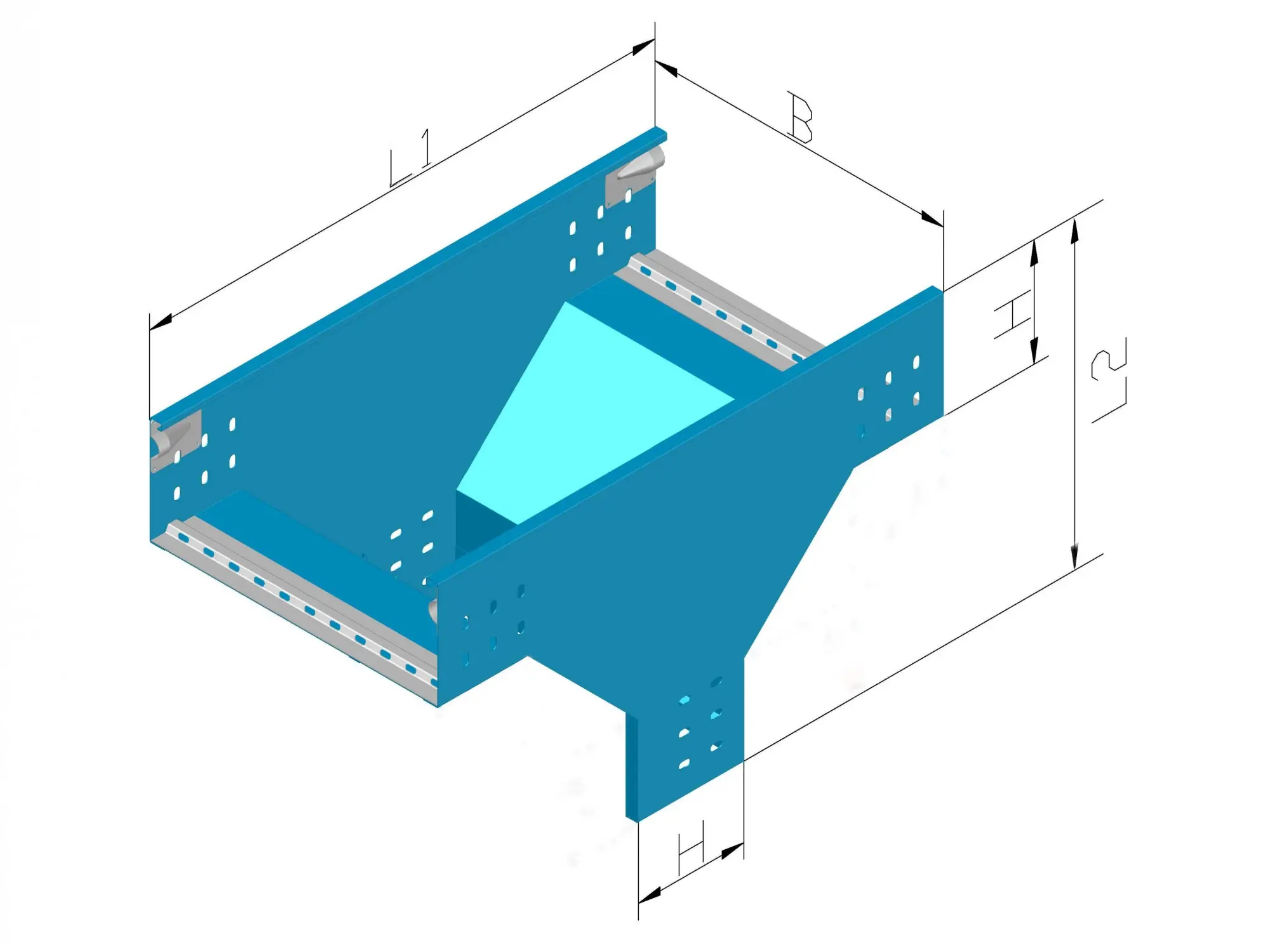
A cable tray fitting is a formed component that changes the tray run geometry—such as elbows (horizontal bends),
tees/crosses (branches), reducers (width transitions), and vertical risers (elevation changes). Fittings are selected
by tray width, side-rail height, and the required route direction/radius so the system assembles cleanly without field improvisation.
What are the most common types of cable tray fittings?
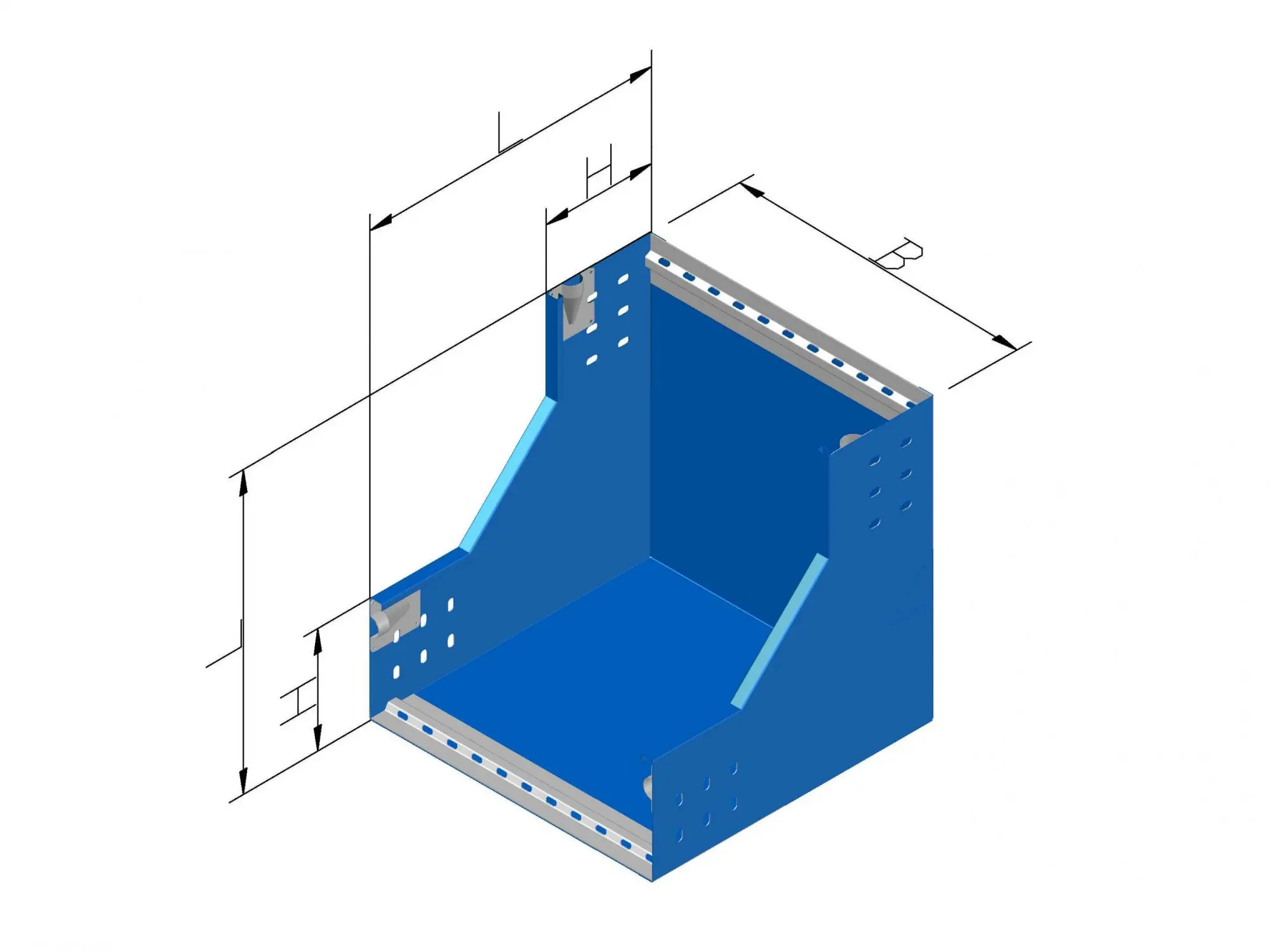
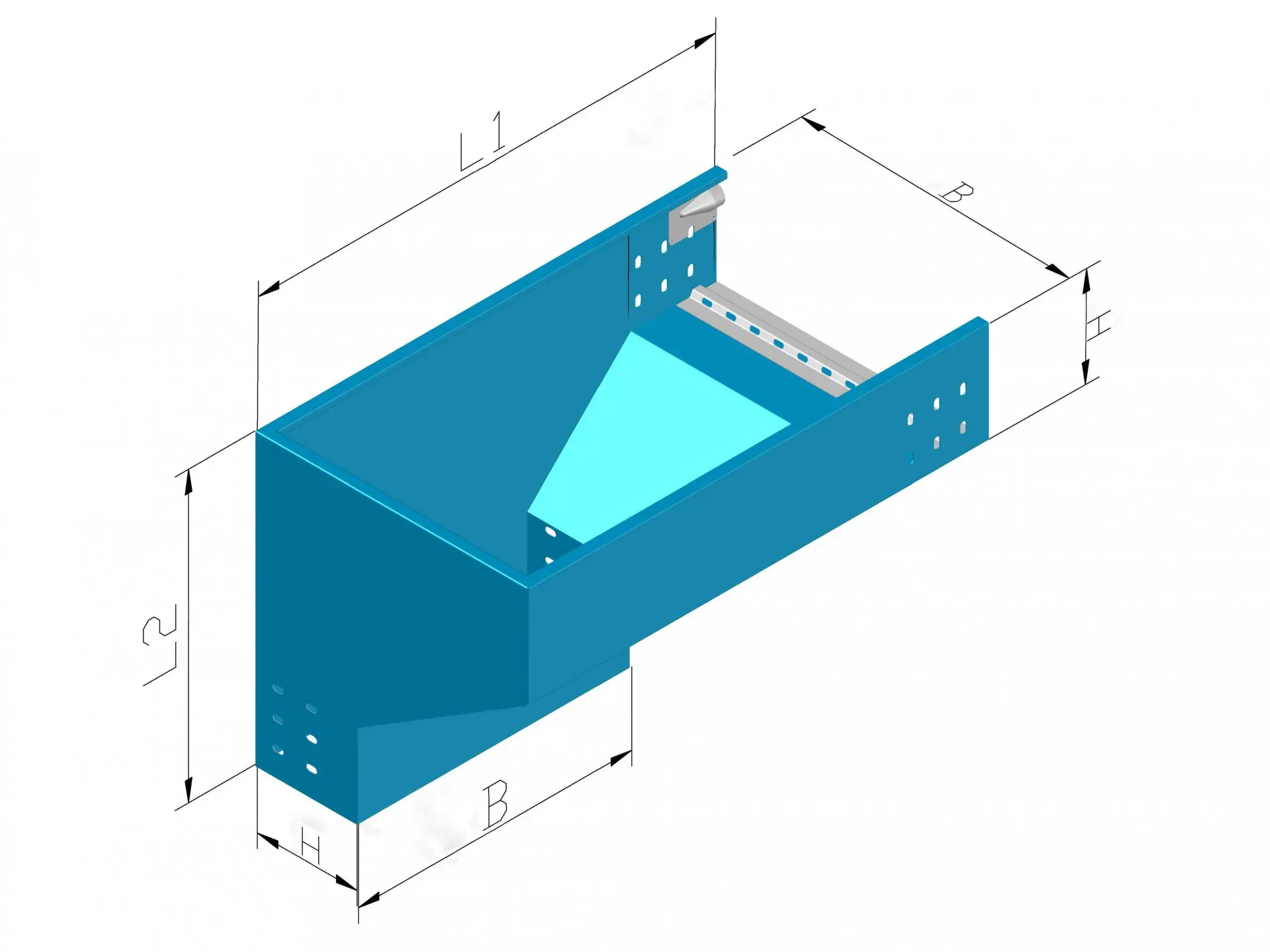
The most common fitting families include: horizontal elbows (90°/45°), horizontal tees, crosses, reducers,
vertical inside/outside risers (up/down), and drop-out/exit fittings where controlled cable exits are needed.
Most projects standardize these families so route changes remain consistent across the entire tray network.
What is a cable tray coupler?
A coupler (often referred to as splice plates) is the joining part used to connect straight tray sections—or to connect
fittings to straight sections—while maintaining alignment and joint strength. Couplers are matched to the tray’s side-rail geometry
and hole pattern to keep assembly predictable and rigid.
How do I choose an elbow, tee, or cross fitting?
Start with your route layout: elbows for turns, tees for one branch, crosses for two branches. Then confirm tray width and side-rail height,
and specify the preferred bend style (standard vs sweep radius). If the branch width differs from the main run, combine the tee/cross with a transition/reducer.
What is the difference between a reducer and a transition fitting?
In tray work, both terms are used for fittings that change tray width. A reducer typically refers to a width change between two sizes,
while “transition” may also describe the specific shape (straight taper vs offset) used to manage clearance, cable bending, or alignment requirements.
The correct choice depends on space constraints and how cables enter/exit the changed section.
Inside riser vs outside riser—what’s the difference?
Both are vertical fittings used to change elevation. The difference is where the bend is formed relative to the tray side rails.
Inside vs outside risers are selected to suit clearance, mounting constraints, and how you want the tray line to “track” along walls/columns or overhead structures.
If you share the elevation change direction and nearby obstacles, the correct riser style becomes straightforward.
What is a sweep radius cable tray elbow?
A sweep radius elbow uses a larger bend radius than a standard elbow. It is often preferred when cable bend control matters
(thicker power cables, dense fills, or easier pulling requirements). Sweep elbows typically reduce pulling stress and make cable routing smoother through corners.
How do you attach cable tray fittings to strut/supports?
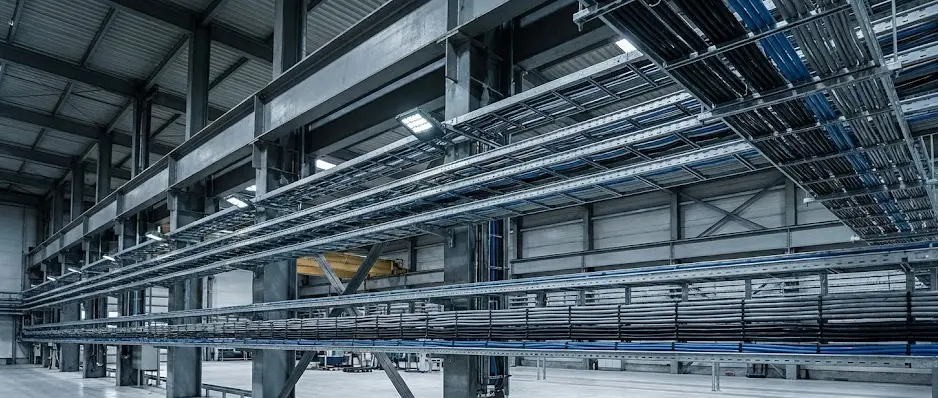
Fittings are supported using the same project support method as the tray run (wall brackets, trapeze hangers, channel strut interfaces, etc.),
but special attention is given near bends/branches where load paths change. Confirming tray size, support type, and spacing constraints helps
select the correct mounting interface so the fitting remains stable and aligned during installation and service.
Do I have to put a bonding jumper on a cable tray?
It depends on the project’s electrical continuity requirements and how continuity is maintained across joints (coatings and joint design can affect continuity).
Many projects specify bonding measures at joints, expansion locations, or where continuity cannot be guaranteed by mechanical connections alone.
The final requirement should follow the governing installation standard and the site’s engineering notes/AHJ requirements.
Are fittings the same as accessories or hardware?
No. Fittings are the components that change route geometry (tee/cross/elbow/vertical up/down transitions, reducers).
Accessories/hardware typically do not change route geometry—those items are used for joining, retention, or mounting.
Keeping the two categories separate helps BOM confirmation stay clean and prevents ordering mismatched parts.