Professional Bridge &
Bus Tray Solutions

Get premium quality cable management systems directly from the manufacturer.

  • ISO 9001 Certified Quality
  • Factory Direct Pricing
  • Fast Global Delivery

Request A Quote

Fill out the form below to receive our catalog and pricing.

Contact Form Demo
Cable Tray Systems

Cable Tray Systems for
Industrial Cable Routing & Protection

Discover reliable and efficient cable tray systems for industrial applications. From solid to perforated and ladder trays, we deliver a complete system—tray sections, fittings, supports, and accessories—matched to your installation.

SOLID Full Protection
PERFORATED Ventilation
LADDER Heavy-Duty
● Flexible installation options ● Suitable for indoor/outdoor use ● Multiple material & finish choices

System Overview

Complete System

Start with the tray type, then complete the run with fittings, supports, and installation hardware. Use the links below to explore each system component.

Solid Cable Tray

Full protection for demanding environments, with cover-ready options.

Perforated Cable Tray

Ventilated design for cooling, drainage, and easy visual inspection.

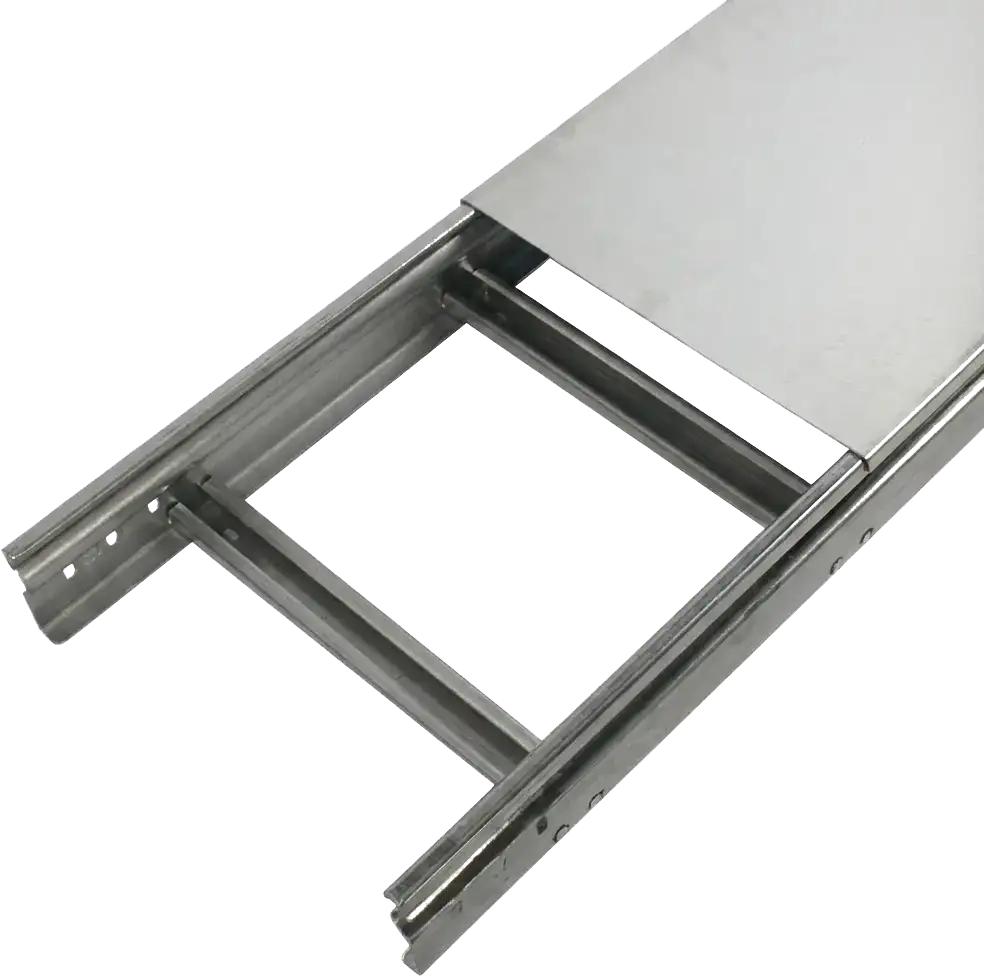
Ladder Cable Tray

Heavy-duty routing for large bundles and long-span industrial runs.

Accessories & Hardware

Supports, covers, splice plates, fasteners, clamps, and installation parts.

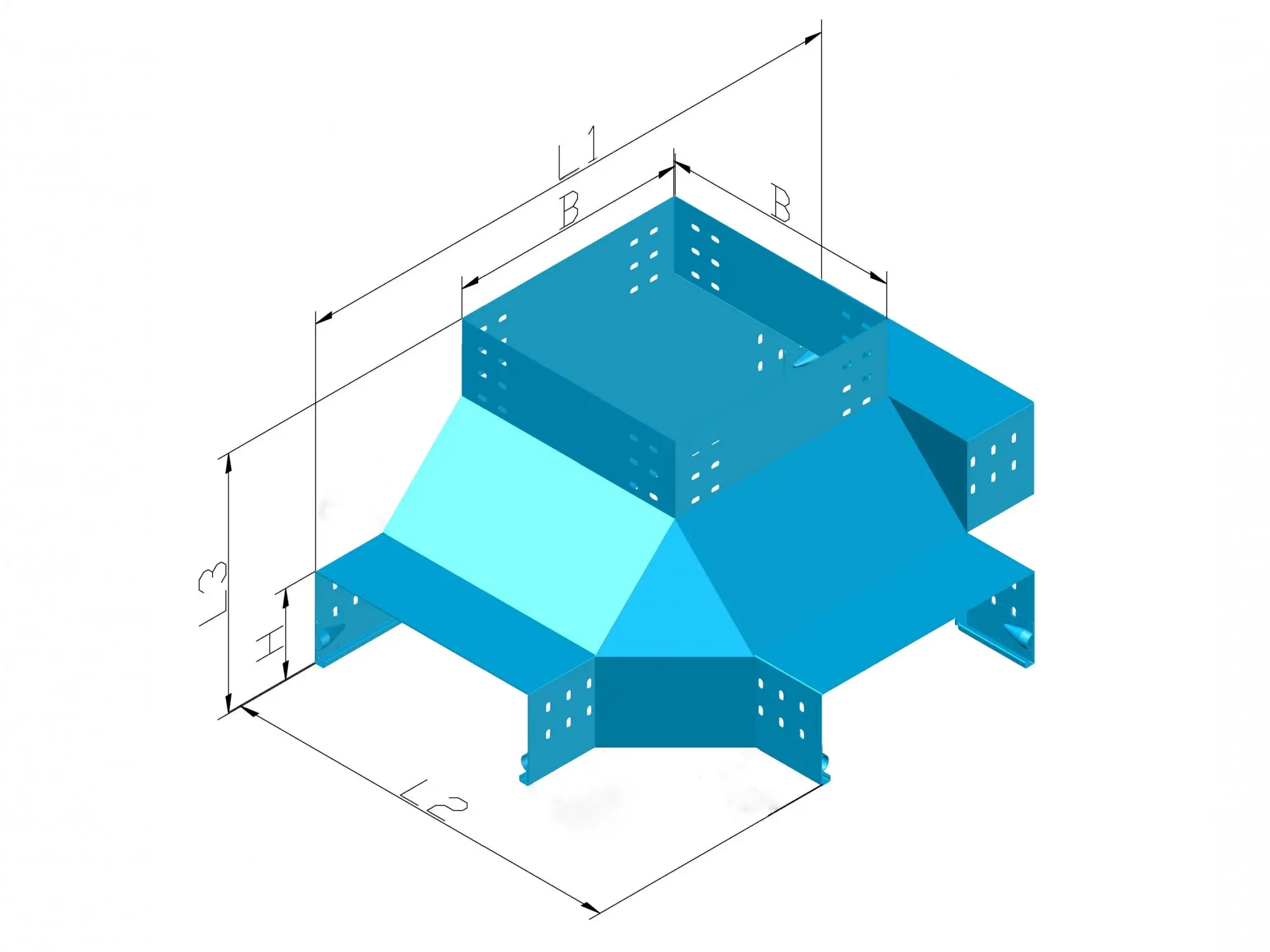
Cable Tray Fittings

Route changes and transitions: elbows, tees, crosses, vertical up/down.

System Overview

What Is a Cable Tray System
and How to Specify It Correctly

A cable tray system is a complete cable routing framework—tray sections plus the fittings, supports, and accessories required to build continuous runs across a facility. To specify the right cable tray system, confirm these key project inputs before takeoff:

TYPE Solid / Perforated / Ladder WIDTH Cable Fill & Future SPAN Support Spacing FINISH HDG / SS / Powder
1

Tray Type Selection

Match the cable tray system to the environment: solid for full protection, perforated for ventilation, and ladder for heavy-duty long spans.
SOLID PERFORATED LADDER
2

Cable Fill & Sizing

Define tray width and side height by cable quantity, bending radius, segregation needs, and future expansion.
WIDTH SIDE HEIGHT FILL
3

Support & Spacing

Confirm support method (wall, trapeze, ceiling) and span to control deflection and maintain load capacity.
TRAPEZE WALL SPAN
4

Material & Finish

Choose corrosion protection by site condition: hot-dip galvanized for outdoor/industrial, stainless for harsh environments, or powder coating for indoor projects.
HDG SS304/316 POWDER

Complete System Components

A professional installation requires more than just trays. Select your base tray type, then configure the path with fittings and secure it with proper hardware.
Solid Cable Tray
Base System

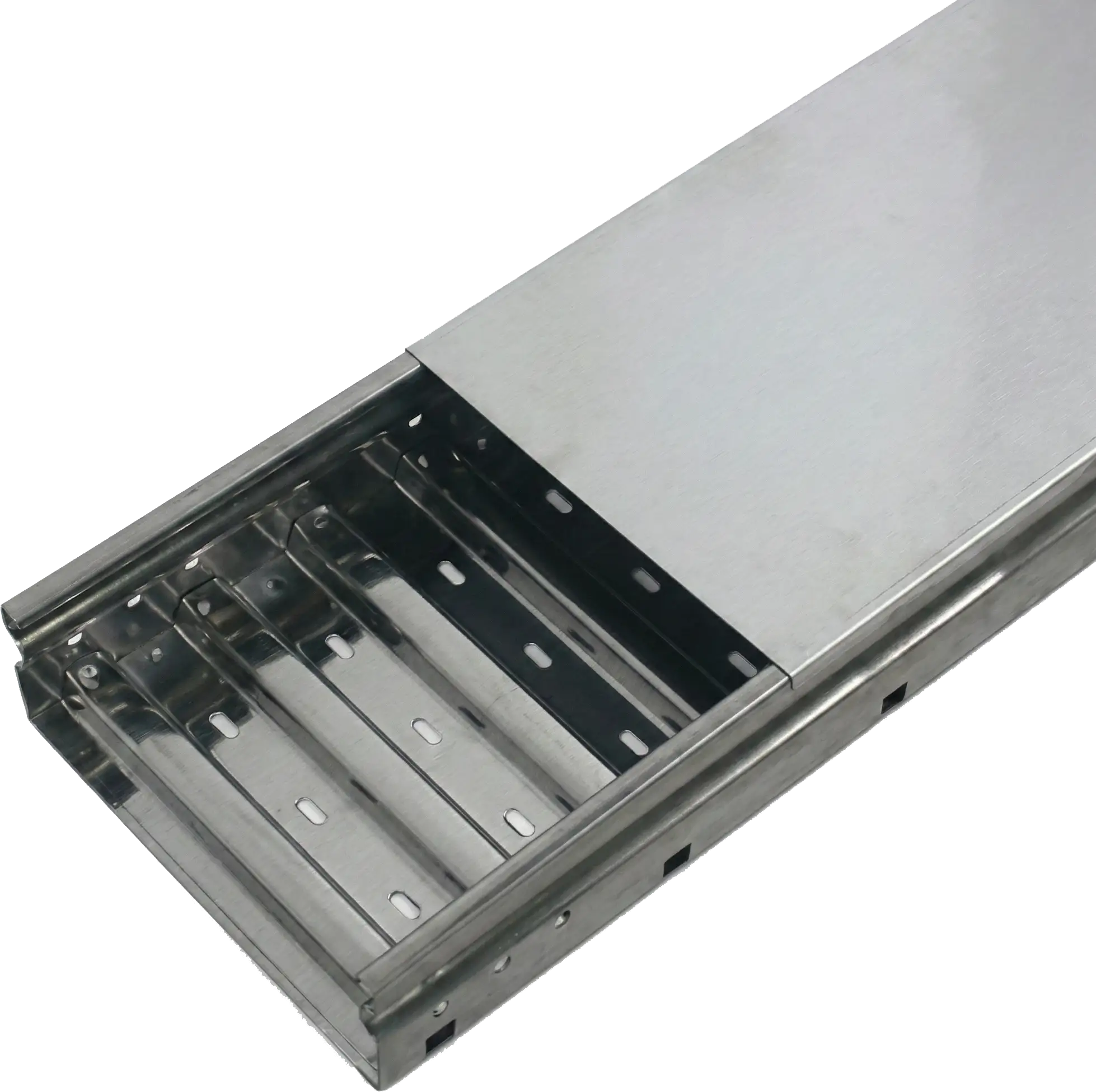
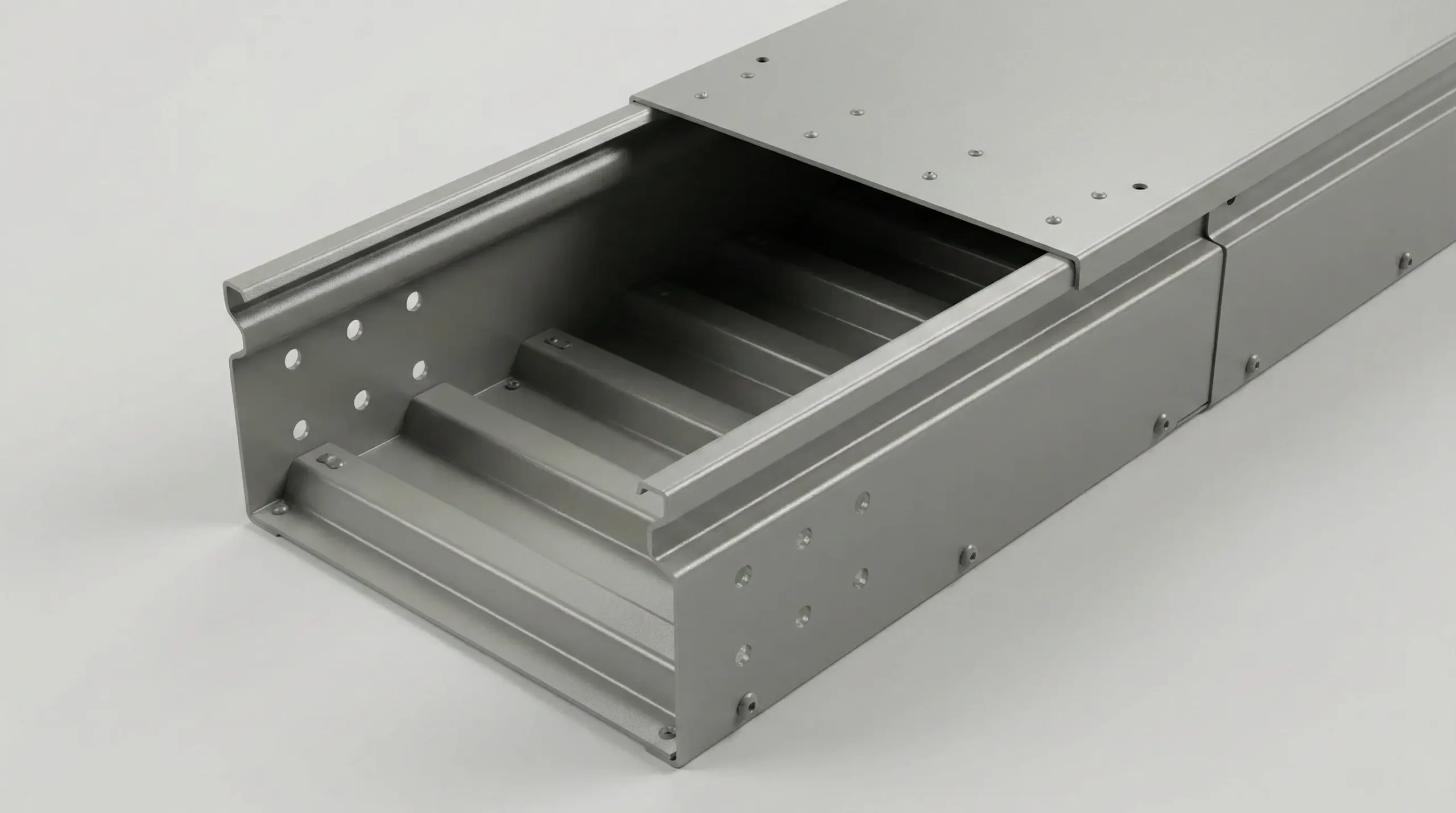
Solid Cable Tray

  • Full cable protection & EMI shielding
  • Dust & drip proof (Cover-ready)
  • Ideal for sensitive data & control cables
View Solid Trays
Perforated Cable Tray
Base System

Perforated Tray

  • Ventilation for heat dissipation
  • Easy visual inspection of cables
  • Flexible cable dropout anywhere
View Perforated Trays
Ladder Cable Tray
Base System

Ladder Cable Tray

  • Heavy-duty support for power cables
  • Long span capability (up to 6m)
  • Maximum airflow prevents derating
View Ladder Trays
Cable Tray Fittings
Routing Components

Cable Tray Fittings

  • Changes Direction & Level
  • Elbows (90° / 45°), Tees, Crosses
  • Vertical Inside & Outside Risers
Select Fittings
Accessories and Installation Hardware
Installation Hardware

Accessories & Hardware

  • Connects & Supports
  • Splice plates, nuts, bolts, washers
  • Hold-down clamps & Covers
View Accessories

Cable Tray Types at a Glance:
Solid vs Perforated vs Ladder

Choosing the right cable tray system starts with the tray type. Use this quick comparison to match protection level, ventilation needs, and load/span requirements to your project.

Dimension
Solid Tray Full Protection
Perforated Tray Ventilated
Ladder Tray Heavy Duty
Primary Purpose Full cable protection and clean routing in demanding areas. Balanced protection + ventilation for general industrial use. Heavy-duty cable routing with maximum airflow.
Best For Dusty sites, dripping areas, outdoor exposure (w/ covers), shielding needs. Indoor plants, equipment rooms, areas needing airflow + inspection. Large cable bundles, long straight runs, industrial power distribution.
Strength Maximum protection, cover-ready, easiest to contain cables. Better ventilation & drainage; easier cable checks; lighter structure. Excellent heat dissipation; tie-down friendly; long span capable.
Trade-off Less ventilation; heat management depends on fill ratio. Not as enclosed as solid; more exposure to debris than solid types. Least shielding; small cables need retention care.
Typical Add-ons Covers, dividers, bonding/grounding jumpers. Covers (optional), splice plates, supports. Heavy-duty rungs, cable cleats/ties, wind braces.
Avoid When You need maximum airflow or rapid heat dissipation. Full EMI shielding or strict debris ingress prevention is required. You need fully enclosed protection for loose/small cables.
How to Decide in 30 Seconds
Need maximum protection / cover-ready?
Solid Cable Tray
Need balanced airflow + easy access?
Perforated Tray
Need maximum ventilation + long spans?
Ladder Cable Tray

How to Choose a Cable Tray System for Your Project

A complete cable tray system is more than just the tray section. The best result comes from matching tray type, sizing, supports, fittings, and finish to your environment and installation method.

01

Confirm Environment & Corrosion

  • Indoor / Clean: Pre-galvanized or powder coating.
  • Outdoor / Industrial: Hot-dip galvanized (HDG).
  • Coastal / Chemical: Stainless steel (SS304/316) or upgraded coating.
Tip: Finish choice impacts service life most.
02

Choose Tray Type

  • Solid Tray: For full protection or cover-ready runs.
  • Perforated Tray: Balanced protection + airflow + inspection.
  • Ladder Tray: Maximum ventilation & heavy-duty long spans.
03

Size the Tray

  • Start with cable list (OD, quantity, weight).
  • Reserve space for expansion & maintenance.
  • Segregate power vs. control (use dividers).
Rule: Avoid “tight packing” to reduce heat.
04

Determine Span & Support

  • Define method: wall brackets, trapeze, or floor stands.
  • Confirm spacing based on load/deflection targets.
  • Heavy loads favor ladder trays with stronger supports.
05

Plan the Routing

  • Change direction/level? Use Fittings (Elbow, Tee, Cross, Riser).
  • Straight run? Use Accessories (Splice plates, clamps, covers).
Why: Accurate BOM & faster installation.
06

Covers & Safety Details

  • Use covers for outdoor/debris protection.
  • Add bonding/grounding per local codes.
  • Consider edge protection and cable ties for vertical runs.

What to Send for a Fast Quote

To configure the right cable tray system quickly, include these details in your inquiry:

Tray type preference
Span / Support spacing
Cable list / Load estimate
Environment (HDG/SS/Powder)
Width & Side Height
Routing sketch or BOM

Support & Installation Basics for Cable Tray Systems

A cable tray system is only as strong as its installation. Without proper supports, connectors and fasteners, tray performance cannot be achieved on site. Use the installation methods below to match your tray size, span, and mounting conditions.
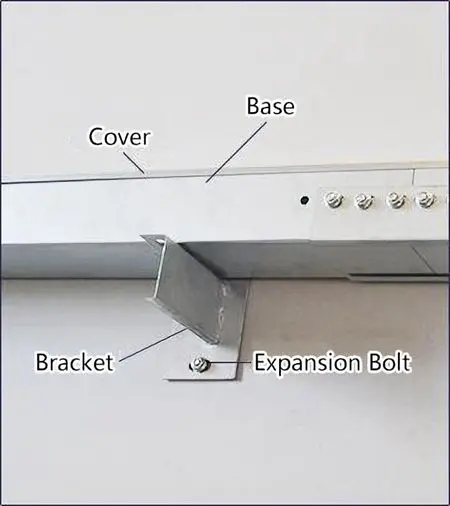
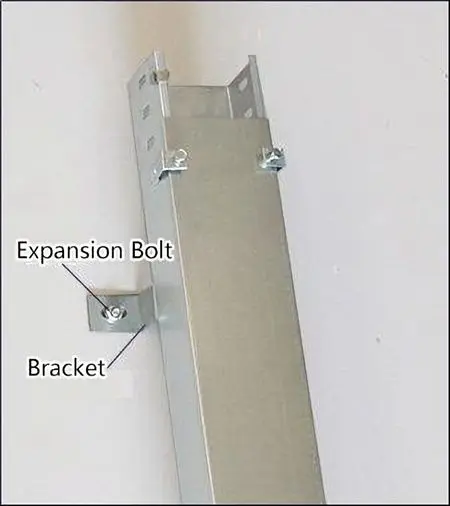
Cable tray support and installation methods diagram showing wall mounting and hanging support options

Common Installation Methods

  • Wall mounting (horizontal)
  • Wall mounting (vertical)
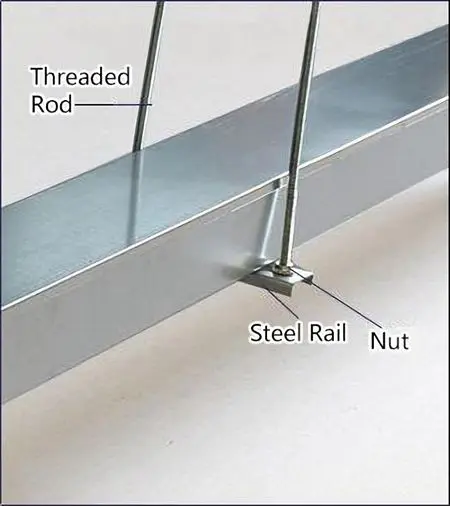
  • Threaded rod hanging (small size)
  • Standard hanging support
System Completeness: Accessories & Hardware complete the system: supports, brackets, splice plates, clamps, covers, and fasteners—selected by tray width, load, and finish.
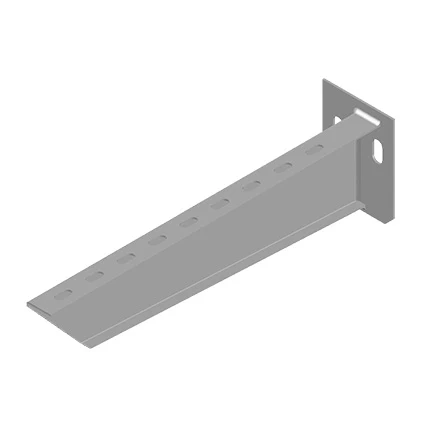
Wall mounting horizontal cable tray support using cantilever bracket for industrial routing
Wall Mounting (Horizontal)
Ideal for running trays along building walls using cantilever brackets.
Wall mounting vertical cable tray riser support with secure fixing points and fasteners
Vertical Riser Support
Secure fixing points for vertical risers climbing walls or shafts.
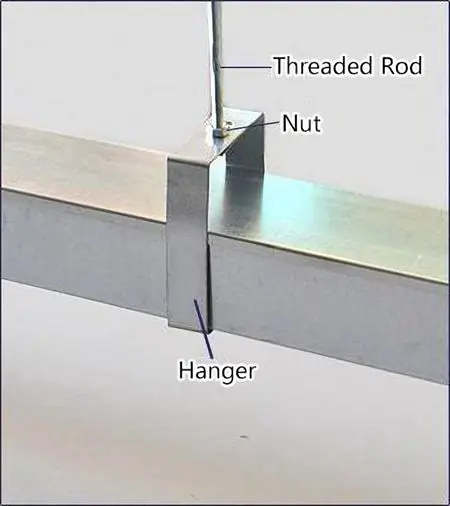
Threaded rod hanging and trapeze support for cable tray systems with adjustable leveling
Hanging Support (Trapeze)
Ceiling-suspended threaded rod or strut channel for overhead routing.

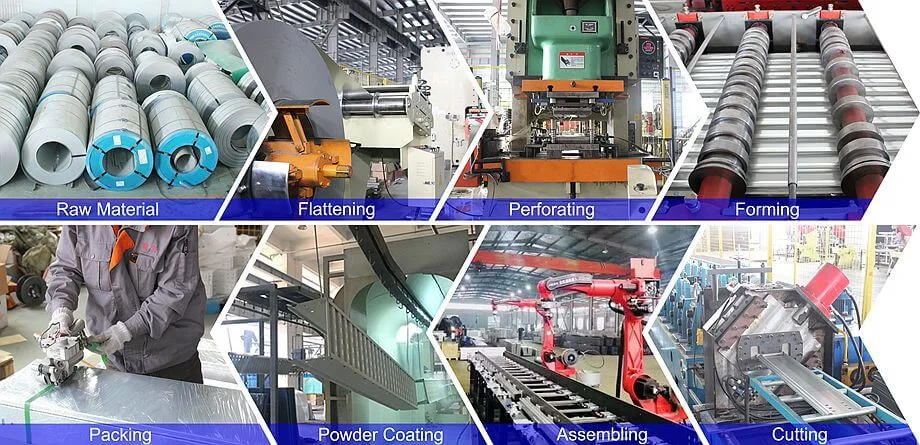
Manufacturing Process & Quality Control

Precision engineering from coil to crate.
Manufacturing process collage showing raw material, punching, forming, and packing of cable trays
STEP 01

Raw Material Verification

Strict steel coil sourcing with batch traceability and thickness verification to ensure consistent structural strength from the start.

STEP 02

Precision Fabrication

Advanced CNC punching, roll forming, and automated cutting guarantee precise hole patterns, rail geometry, and assembly accuracy.

STEP 03

Surface Treatment

Comprehensive finish options including Pre-galvanized, Hot-dip galvanized (HDG), and Powder Coating adapted to your specific environment.

STEP 04

Final QC & Packing

Final visual inspection, secure bundle labeling, and edge protection to ensure materials arrive site-ready and damage-free.

Need a custom solution? Send your drawings and quantity list—our team will align tray type, finish, and BOM to your project schedule.

Ready to Confirm Your Busway System Takeoff?

Share your SLD and route plan (length / elbows / risers), current rating and installation environment. We’ll help validate the section schedule, tap-off plan, and deliver a project-ready BOM for fast quotation and site-ready installation.

View Cable Tray Systems

Frequently Asked Questions

Common questions about cable tray selection, installation, and capabilities to help you plan your project.

01.

What are cable trays used for?

Cable trays are support pathways for routing power, control, and communication cables. They keep runs organized, accessible for inspection, and easier to expand than fully enclosed raceways.
02.

When should you use cable tray vs conduit?

Use cable tray for high cable volume, long runs, and future expansion. Use conduit when full enclosure and mechanical protection are required, or for short drops to equipment.
03.

What are the three basic types?

The most common types are Solid-bottom, Perforated (ventilated), and Ladder trays—each balancing protection, airflow, and load capacity differently. Refer to NEMA Standards for detailed classification guidelines.
04.

Best type for heavy-duty long spans?

Ladder cable tray is typically preferred for heavy-duty applications because it supports large cable loads while maintaining airflow and easier cable tie-down.
05.

Where can cable tray be installed?

Typical locations include utility tunnels, data centers, distribution stations, factories, metro tunnels, and transport infrastructure—especially where accessibility and scalability matter.
06.

How to choose the right tray size?

Start from cable schedule (quantity + OD), reserve expansion space, confirm bend radius and segregation needs, then select tray width/side height and verify using load tables.
07.

How many cables can fit in a tray?

Capacity depends on cable type/diameter, allowable fill, segregation rules, and heat requirements. Use cable schedule-based fill calculation rather than “one-size-fits-all” estimates.
08.

How far apart should support spacing be?

Support spacing depends on tray strength, load per length, and run geometry (straight vs fittings). Confirm using manufacturer load/span tables and project load assumptions.
09.

Does a tray need grounding or bonding?

In many projects, metallic cable trays must be bonded/grounded for continuity and safety. Joint/splice design and installation quality are critical—treat it as a system detail.
10.

Can trays pass through fire-rated walls?

Yes, but penetrations often require compliant firestopping and detailing. Plan wall crossings early to avoid conflicts with supports and local fire requirements.