Address
304 North Cardinal St.
Dorchester Center, MA 02124
Work Hours
Monday to Friday: 7AM - 7PM
Weekend: 10AM - 5PM

Address
304 North Cardinal St.
Dorchester Center, MA 02124
Work Hours
Monday to Friday: 7AM - 7PM
Weekend: 10AM - 5PM

Get premium quality cable management systems directly from the manufacturer.
Fill out the form below to receive our catalog and pricing.

Open-rung ladder design delivers strong load capacity, cleaner heat dissipation, and fast maintenance access. Configure widths, side-rail heights, materials, and covers for industrial cable routing projects.
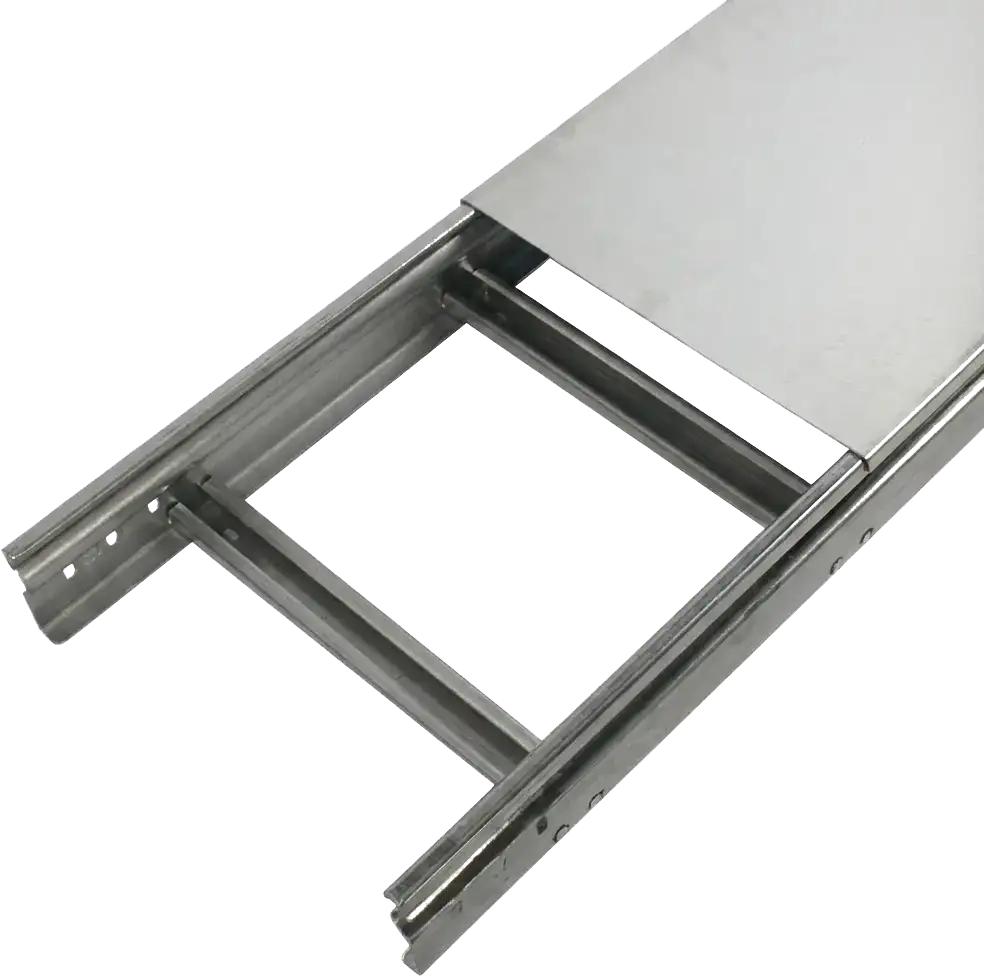
A ladder cable tray is an open-rung cable support system built with two side rails and cross rungs. This structure provides strong guidance for cable routes while keeping the pathway accessible for pulling, inspection, and future cable additions.
Compared with solid-bottom trays, ladder trays deliver improved airflow and heat dissipation for power cable runs. Compared with perforated trays, the open-rung design is often preferred for heavy-duty and long-span routes where ventilation and maintenance access are priorities.
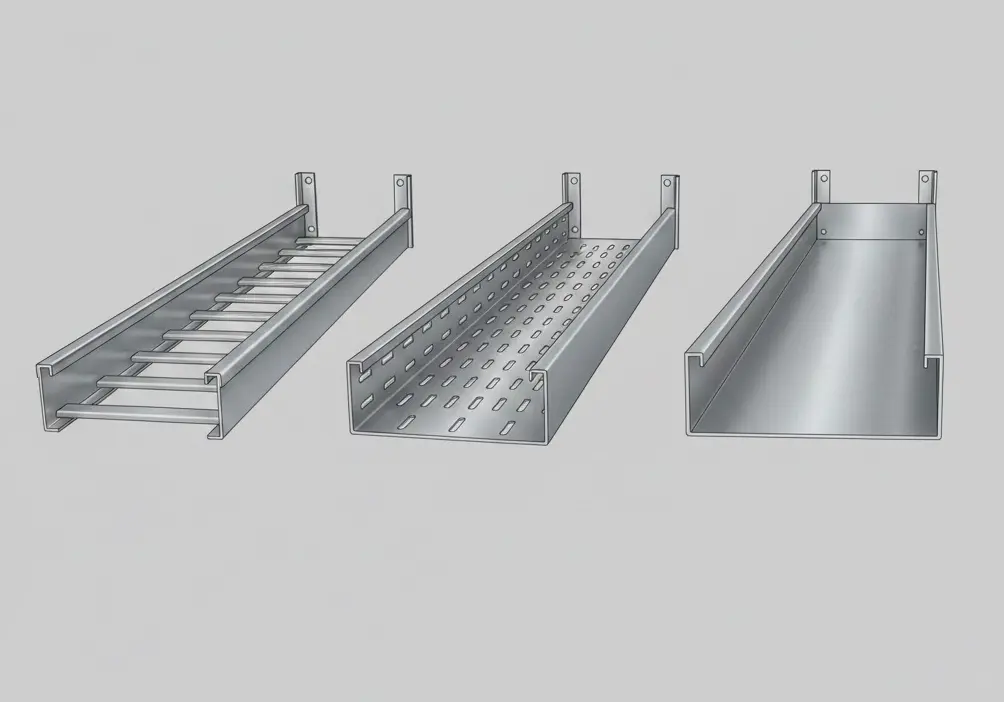
Click any configuration to open the unabridged dimension matrix, ordering logic, and full-scale tables. The modal uses a sticky header and an internal scroll area to prevent overlap with navigation.
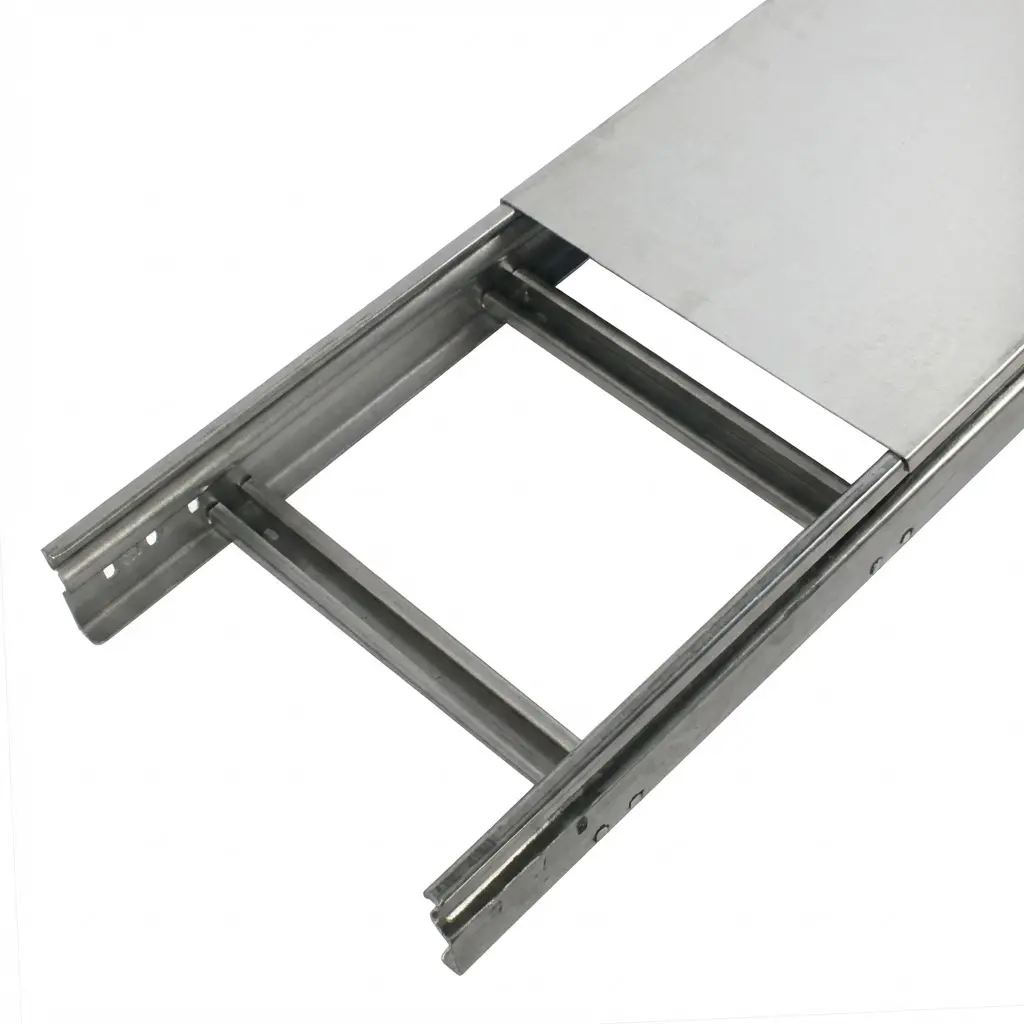
Corrugated ladder structure optimized for higher inertia moment, improved loading capacity, and heat dissipation.
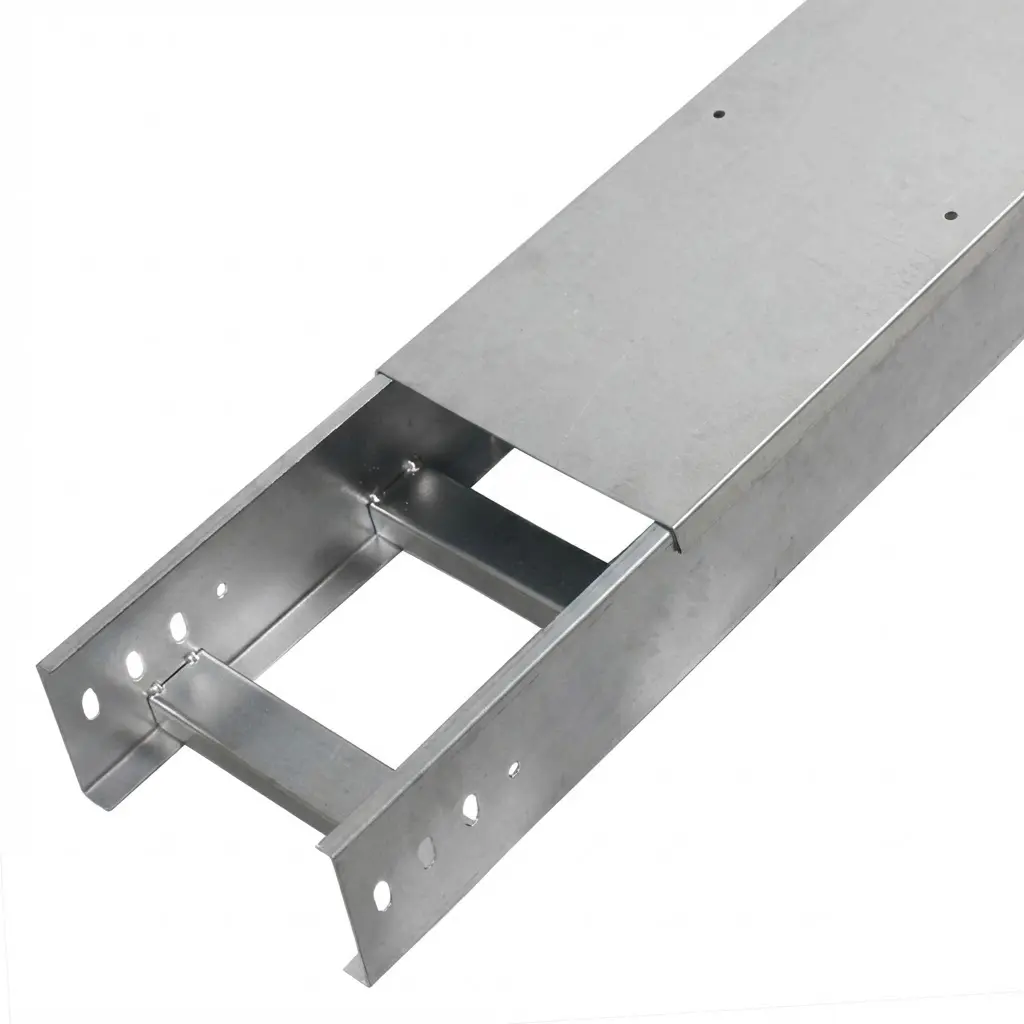
Economical ladder tray with stable performance for general-purpose industrial routing and retrofits.
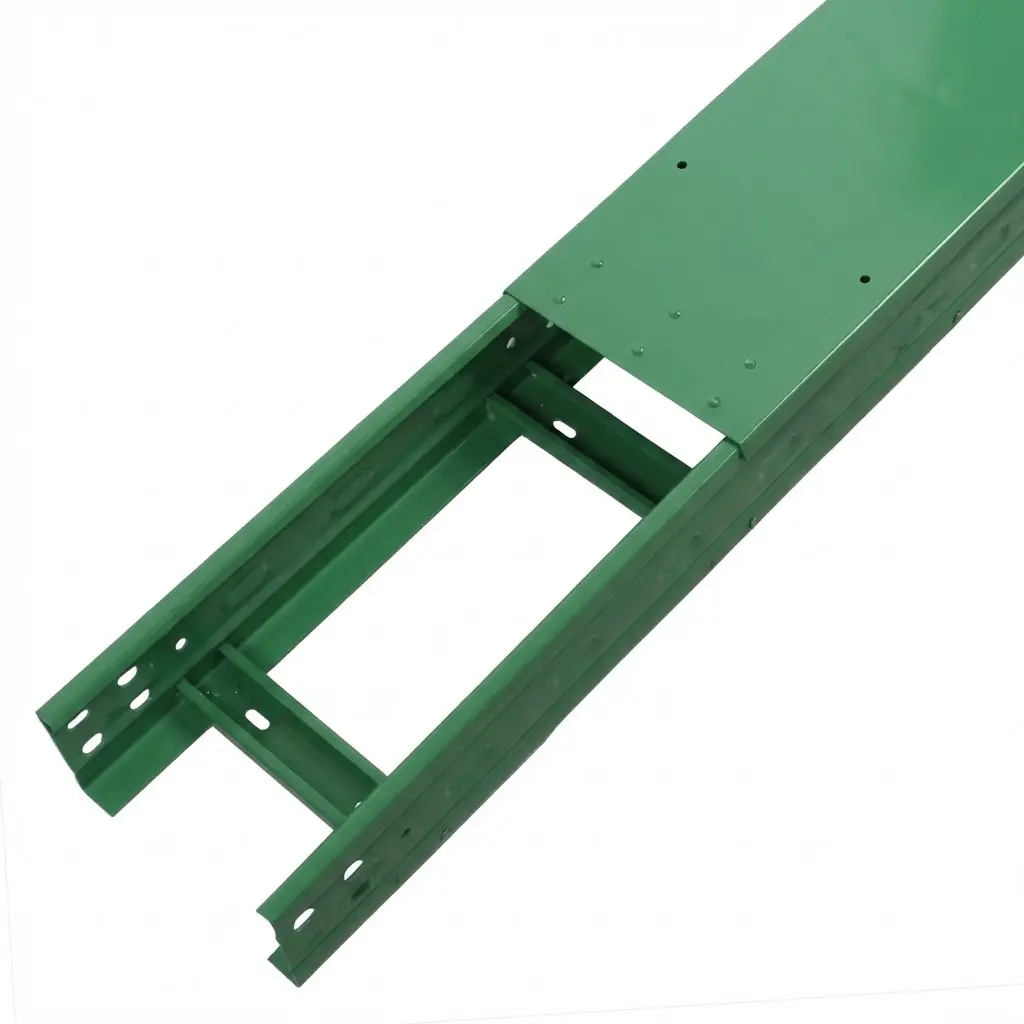
Embossed base concept to increase strength and material efficiency, available with coated finishes.
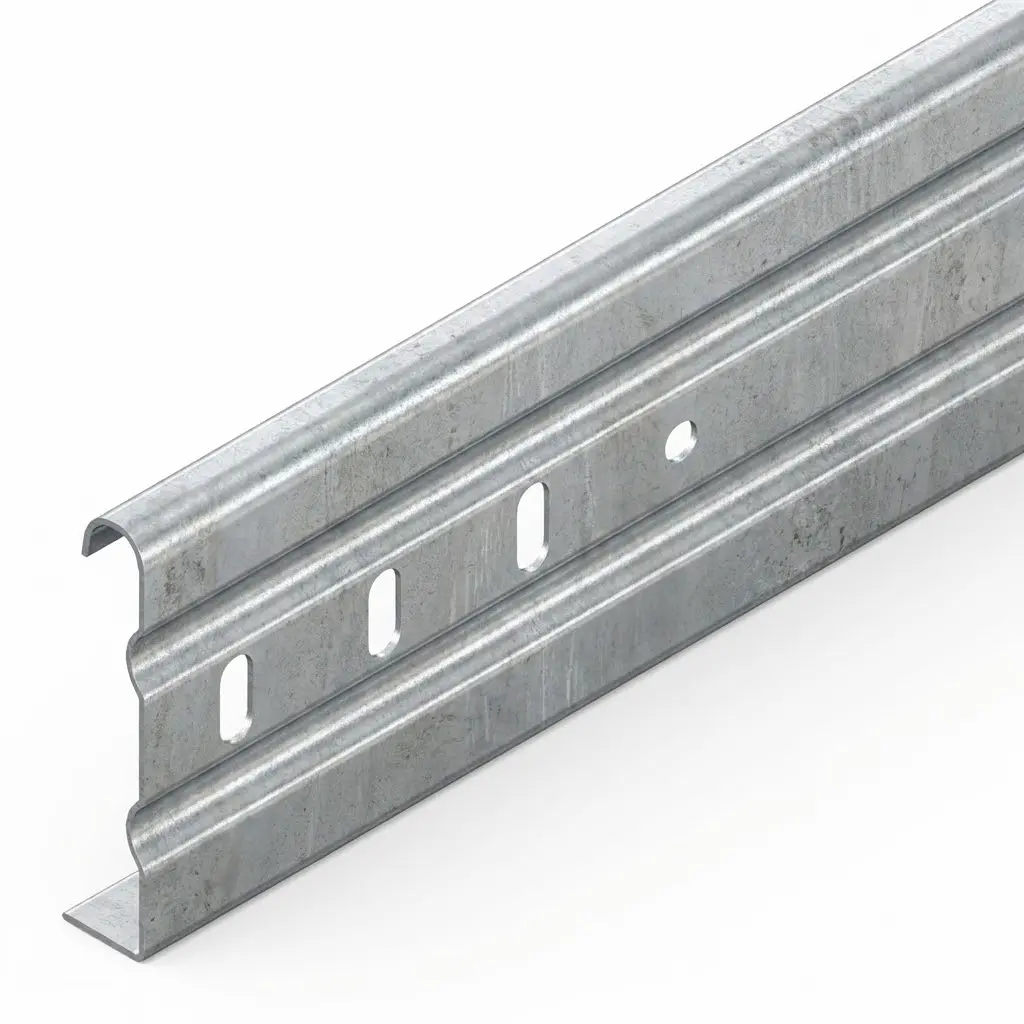
Reinforced side design for long straight runs to reduce installation time and improve stability.
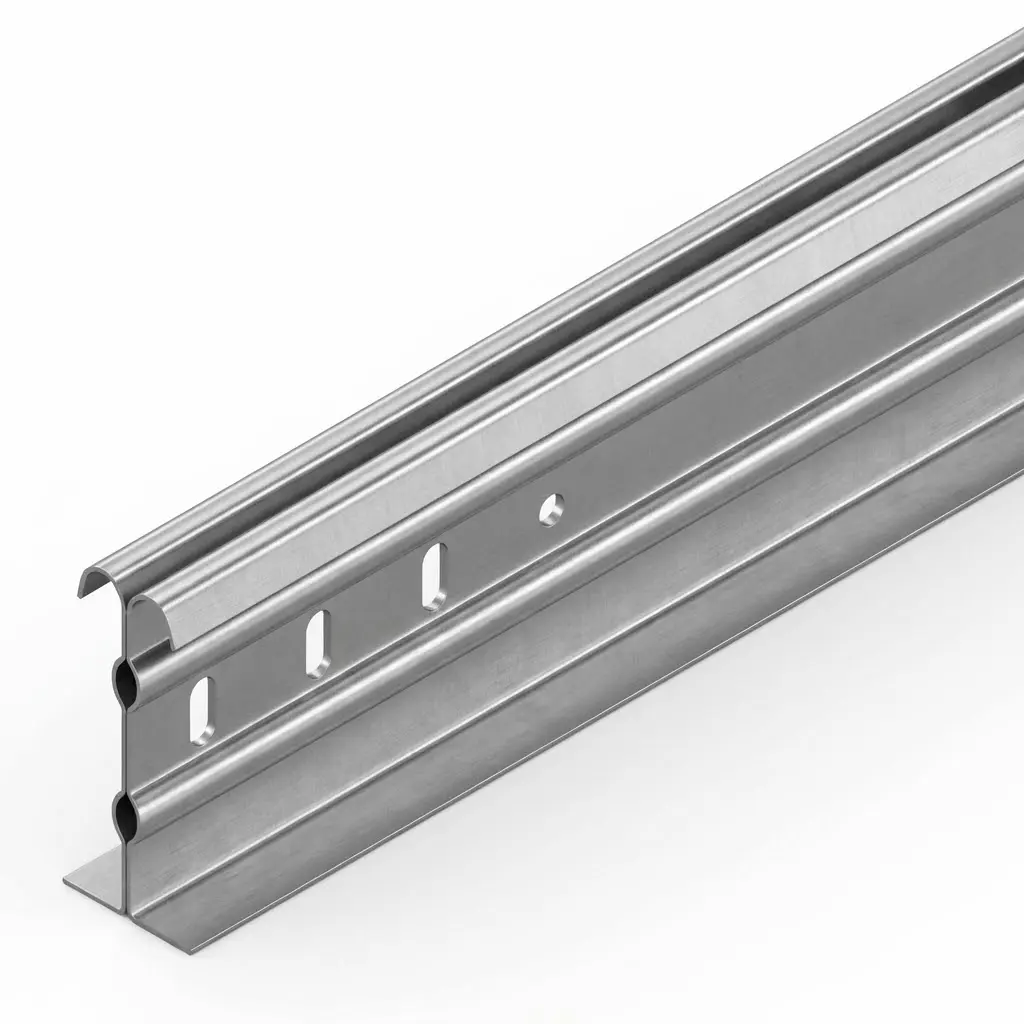
Double reinforced side ensures strength for long span designs and repeated straight sections.
* Standards reference: IEC 61537, NEMA VE1, JB/T 10216.
* Lengths shown are standard offerings; customized dimensions and project-specific fabrication are available upon request.
In many projects, perforated or solid-bottom trays can work well. A ladder cable tray is selected when the route demands stronger load handling, better ventilation, and faster maintenance access on long runs.
Open rungs allow airflow around cables, supporting heat dissipation along long tray pathways—especially useful for power cable trunk lines.
Ladder structure is widely used where cable weight is high and routes are long. It provides stable guidance while support spacing varies by project.
Open access simplifies pulling, clamping, inspection, and cable additions—reducing rework risk when routes change during commissioning.
Delivered with matched fittings, splice plates, covers (optional), and support hardware—plus BOM and drawing support for project coordination.
Selected for routes where airflow, open access, and heavy-duty support are critical—especially on long runs and maintenance-driven corridors.
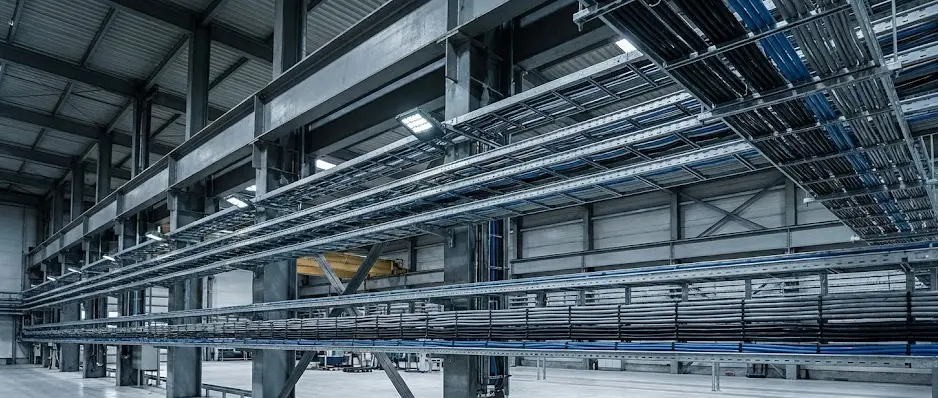
Commonly used for trunk routing in factories and energy facilities where cable volume is high and inspection access is required.
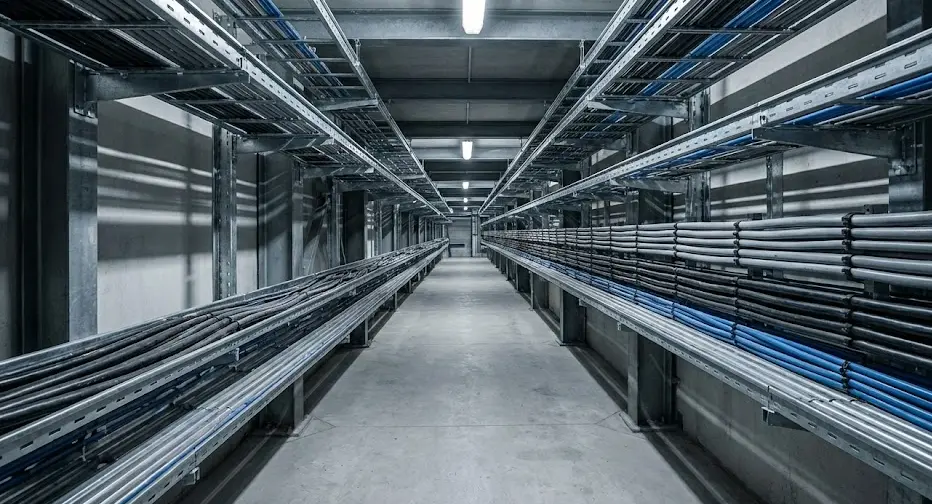
Selected for long routes and corridors where airflow and maintenance access matter, with support spacing defined by project loads.
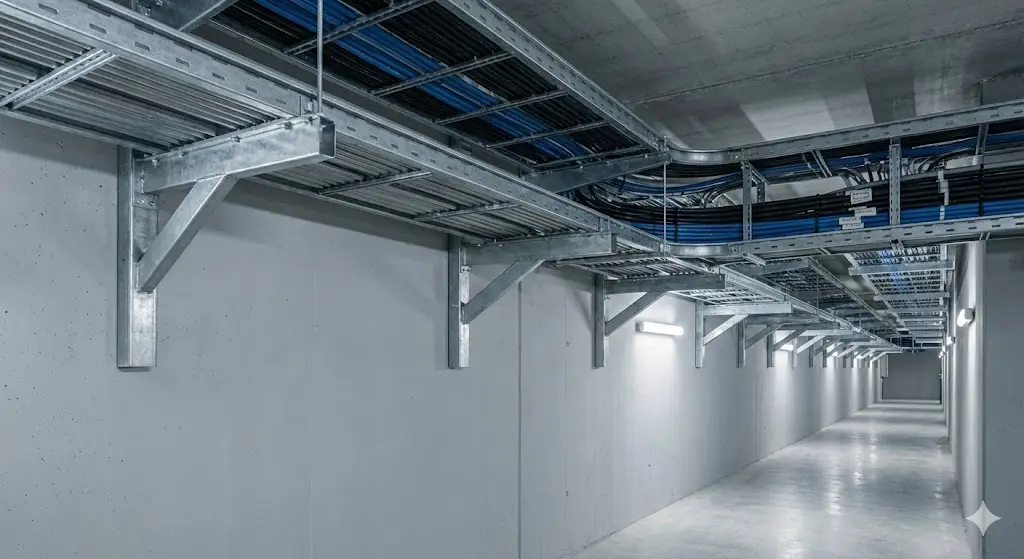
Open access supports inspection, cable replacement, and additions during commissioning and future upgrades.
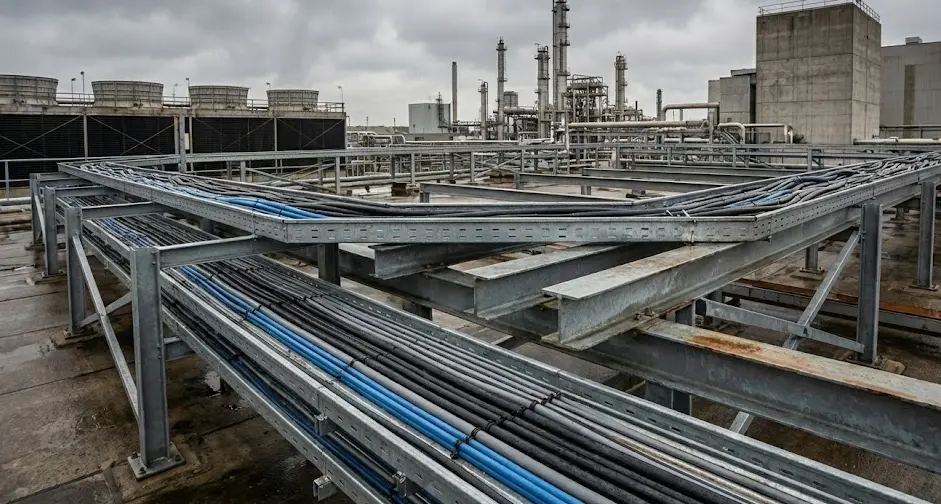
Used for outdoor runs with the right material and finish selection, while maintaining airflow and easy drainage on exposed routes.
A ladder cable tray is delivered as a project-ready system—not just straight sections. Matched fittings help maintain route geometry, protect cable bending radius, and support fast installation on site.
A ladder cable tray is typically specified for projects that prioritize open access, heat dissipation, and heavy-duty support. Final configuration depends on cable load, span requirements, routing layout, and service environment.
To confirm ladder tray suitability and produce a project-ready configuration, the following inputs are typically reviewed:
After project conditions are confirmed, ladder cable trays are supplied as a coordinated system:
Request a project-ready quote for ladder cable trays, including tray width/side-rail options, rung spacing, material & finish selection, matched fittings, and a route-based Bill of Materials (BOM).
For a complete overview of tray types, materials, and selection basics, please see our Cable Tray Systems pillar page.
For code compliance references, you can also review NFPA 70 (NEC).