Address
304 North Cardinal St.
Dorchester Center, MA 02124
Work Hours
Monday to Friday: 7AM - 7PM
Weekend: 10AM - 5PM

Address
304 North Cardinal St.
Dorchester Center, MA 02124
Work Hours
Monday to Friday: 7AM - 7PM
Weekend: 10AM - 5PM

Get premium quality cable management systems directly from the manufacturer.
Fill out the form below to receive our catalog and pricing.


Start from our core product systems—cable tray, busway, seismic bracing, and intelligent cable tray management—then enter each category for structure overview, application logic, and project RFQ support.
Explore our complete range of infrastructure products. From robust physical support systems to intelligent digital monitoring, Xinma delivers end-to-end reliability for your projects.
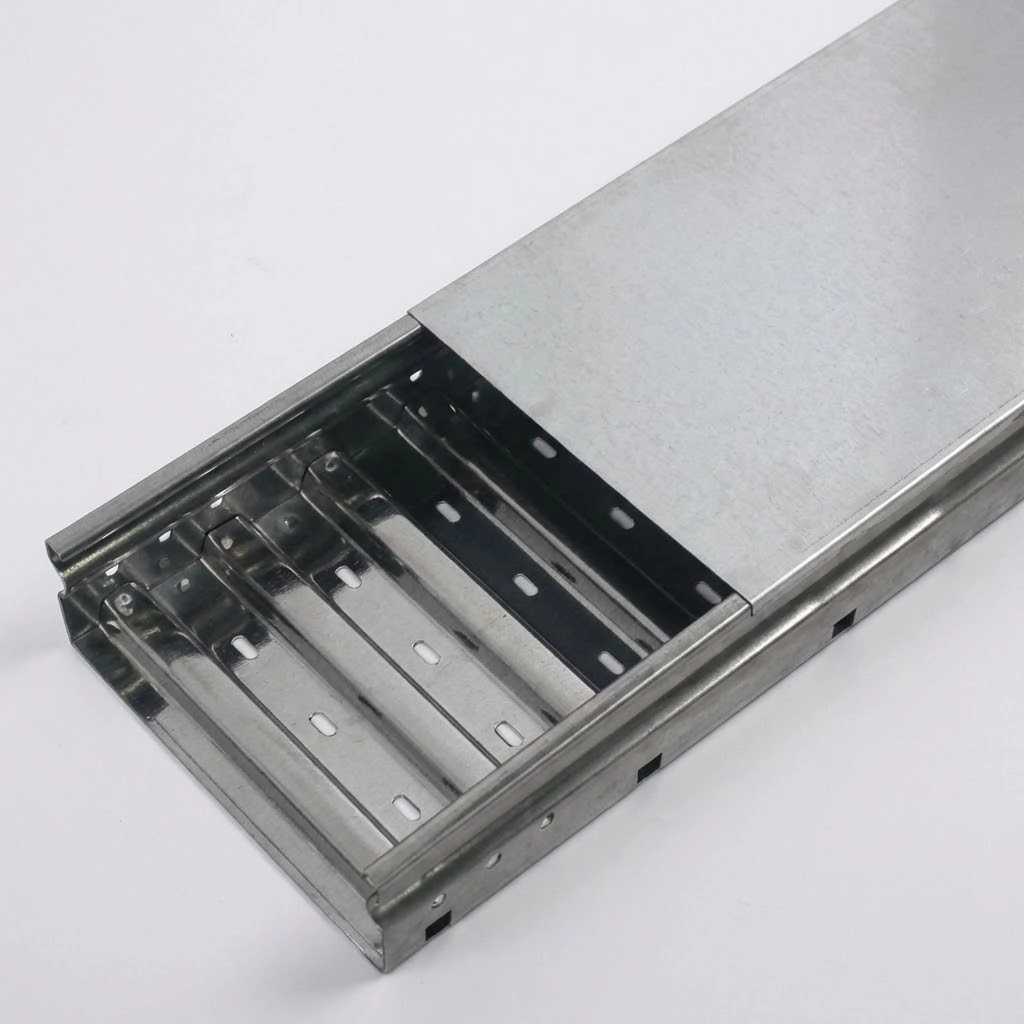
Versatile support solutions including perforated trays, ladders, and wire mesh options for efficient and safe cable routing.
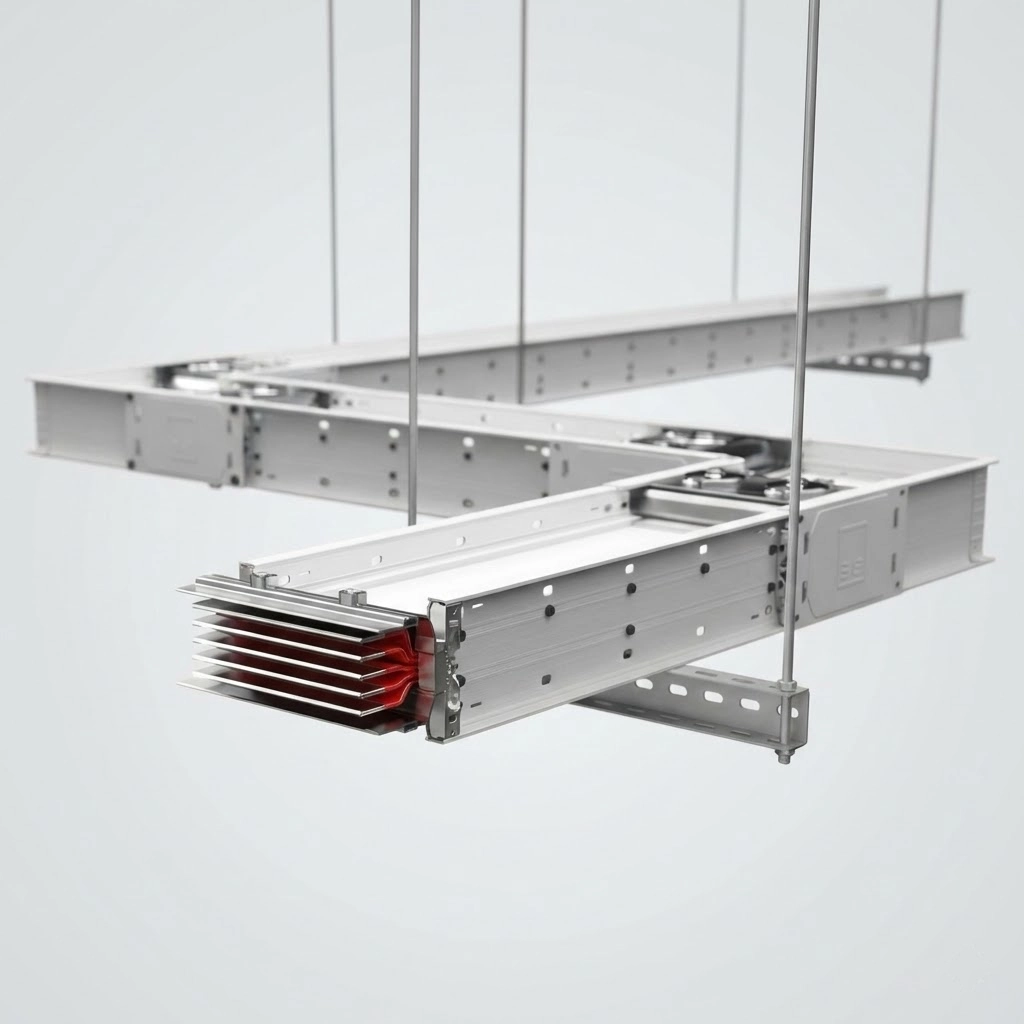
Compact and efficient power distribution trunking solutions engineered for high-load industrial and commercial facilities.
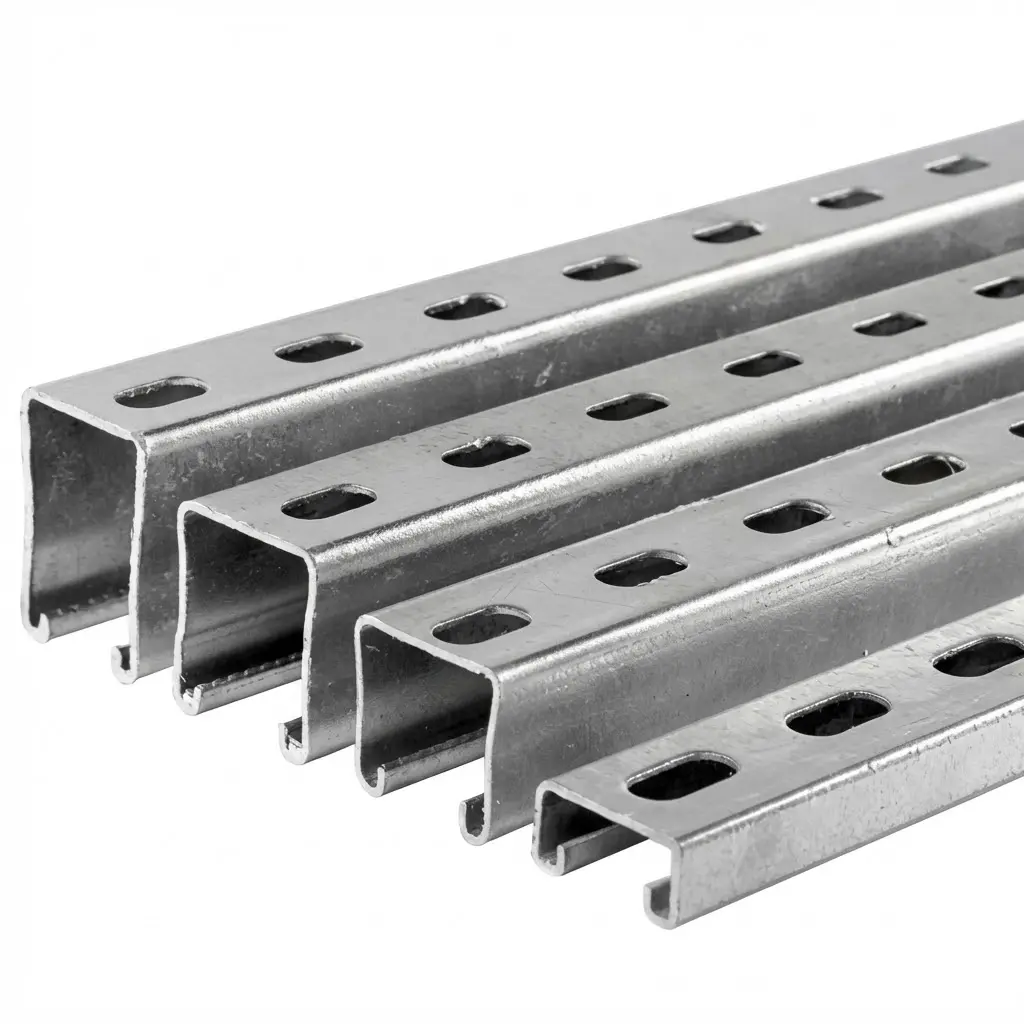
Robust bracing structures and restraint solutions designed to stabilize MEP systems and ensure compliance during seismic events.
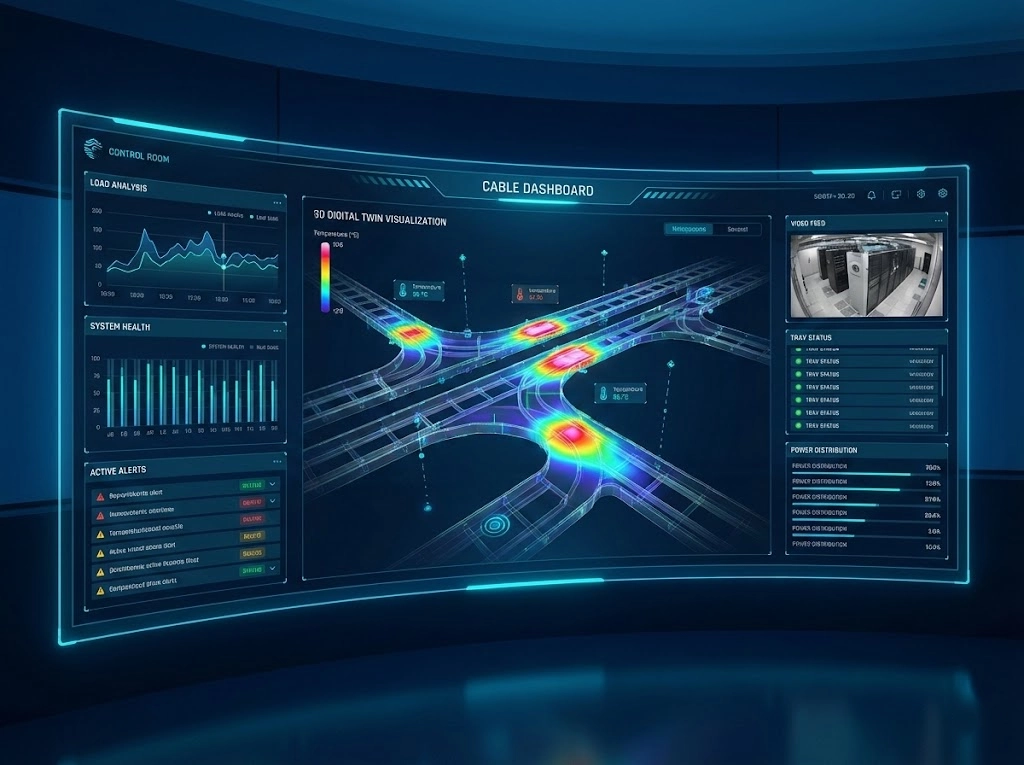
Digitalize your infrastructure with real-time monitoring of temperature, load, and safety status for complex cable networks.
Start from our main product categories and move directly into the systems or series pages that match your project scope. If you already know the tray type, routing direction, or support requirement, send your inquiry to get a faster RFQ response from our team.
Enclosed and cover-ready tray systems for improved cable protection in managed routing layouts.
Ventilated tray systems that balance cable support, airflow, and installation flexibility.
Heavy-duty cable support solutions for power routing, long runs, and industrial load conditions.
Elbows, tees, crosses, and vertical transitions for direction changes and system continuity.
Xinma provides a structured portfolio of cable tray systems, busway systems, seismic bracing solutions, and intelligent cable tray management systems for industrial buildings, commercial facilities, utilities, and infrastructure projects. Instead of forcing buyers to search through fragmented product listings, this products page groups the main solution categories into a clear navigation framework that supports faster technical review and RFQ preparation.
In the cable support range, XMQJ covers major routed support formats including solid cable tray, perforated cable tray, ladder cable tray, and matching cable tray fittings and accessories. This makes it easier to move from basic tray type selection into routing direction changes, load-support logic, cover requirements, ventilation preference, and installation environment matching.
Beyond tray systems, Xinma also supports broader project coordination through busway systems for power distribution routing, seismic bracing for restrained support layouts, and intelligent tray management for projects that require more visible monitoring and system-level control. These categories help engineers, contractors, and sourcing teams evaluate not only individual components, but also how the support system fits into the wider building or industrial electrical framework.
On this products page, users can move from category overview to dedicated solution pages, then continue into deeper series-level references where applicable. This layered information structure improves usability for first-time visitors, while also helping repeat buyers reach the correct product family faster when they already know their required tray form, support direction, or project application logic.
Share your project requirements and our team will help you identify the right cable tray, busway, seismic bracing, or intelligent support solution path, then support your RFQ process with a faster response.
These FAQs help buyers choose the right product path before entering detailed series-level review or sending an RFQ.
This page is a navigation hub for Xinma’s core solution categories. It helps buyers start from cable tray systems, busway systems, seismic bracing, or intelligent tray management, then move into the most relevant category or series page for technical review and RFQ preparation.
If your requirement is still broad, start here and use the category structure first. If you already know the required product family—such as solid cable tray, perforated cable tray, ladder tray, or fittings—you can go directly to the corresponding series page to save time.
Cable tray is primarily a routed support system for installed cables, while busway is a prefabricated power distribution system used to carry electrical power through enclosed conductor-based assemblies. In practical project selection, tray is usually chosen for cable routing and support, while busway is chosen when modular power distribution and high-current routing are the main priority.
A simple way to start is by matching protection level, ventilation need, and load condition. Solid cable tray is usually selected when more enclosure-style protection is preferred, perforated tray when airflow and lighter routing balance are important, and ladder tray when long runs, heavier cable loads, or power distribution routes require a more open heavy-duty support format.
Cable tray fittings are used when the tray run needs to change direction, elevation, or branch into another route. Typical examples include elbows, tees, crosses, and vertical up or down transitions. If the component changes the path geometry of the run, it usually belongs in the fittings category rather than the general accessories category.
Seismic bracing becomes relevant when the project location, building code, or engineering design requires non-structural systems to be restrained against earthquake movement. In those cases, the support layout is no longer only about carrying load in normal service—it also needs to address restraint, sway control, and code-compliant project detailing.
The most useful starting inputs usually include project type, installation environment, preferred tray or support format, approximate cable load or route requirement, material or finish preference, and expected quantity. If drawings, route layouts, or reference photos are available, they normally make product matching and quotation much faster.
No. This page is intended as a high-level product navigation layer. Detailed dimensions, configuration logic, routing components, and project-specific technical confirmation should still be handled on the relevant series pages and during direct RFQ communication with the project team.